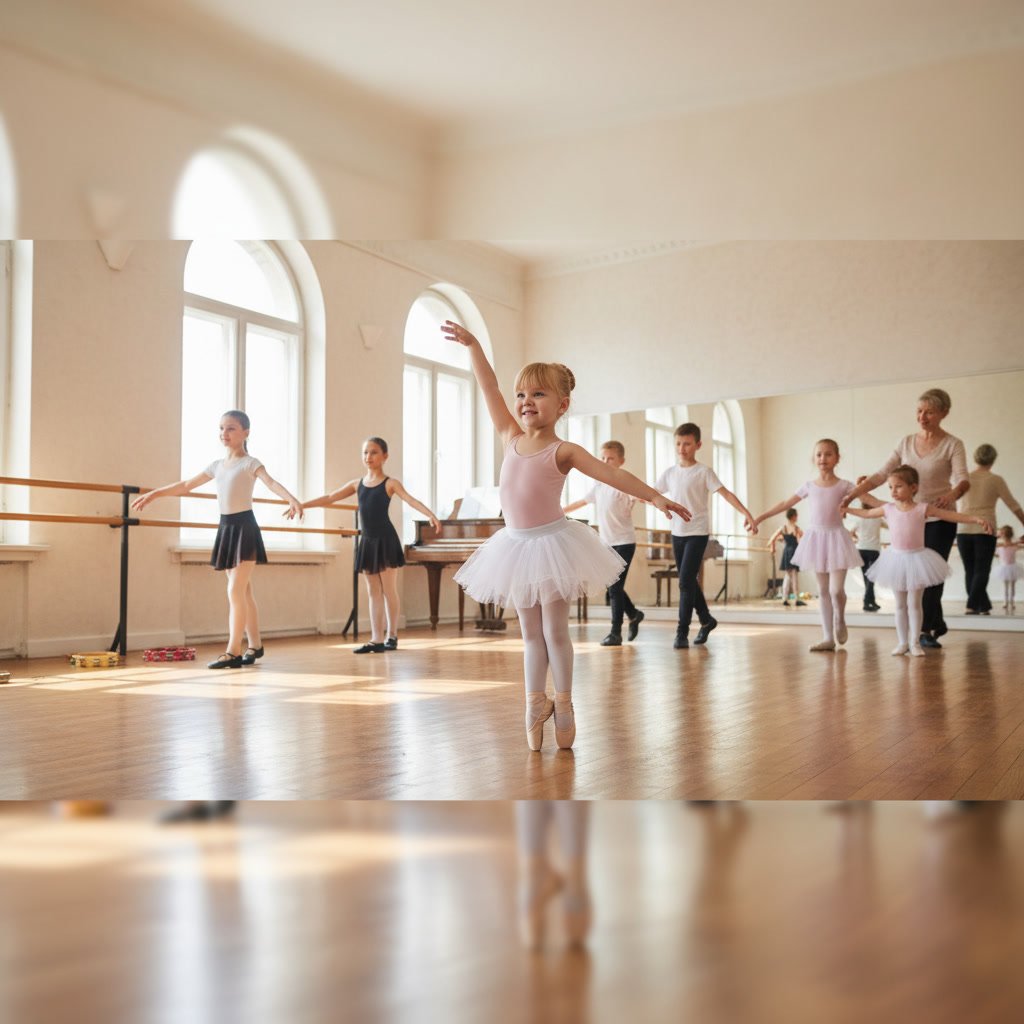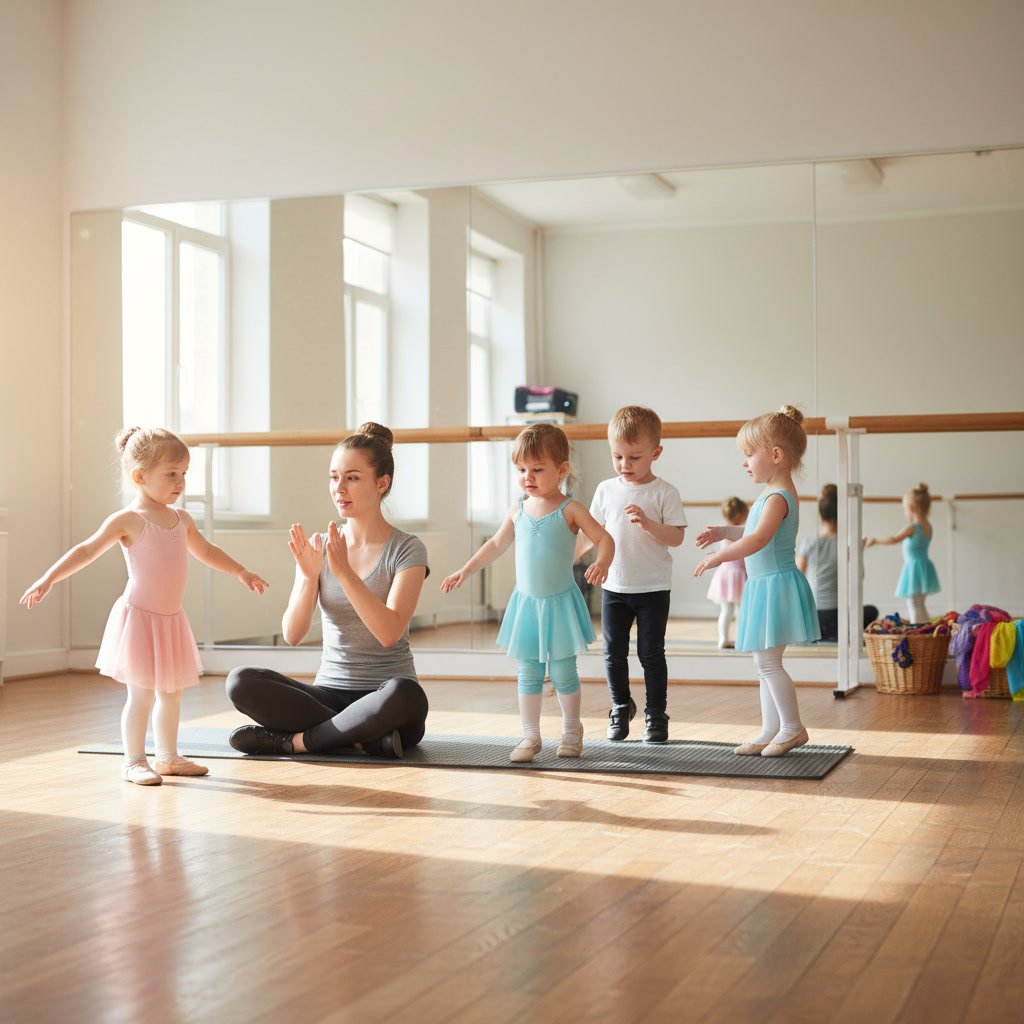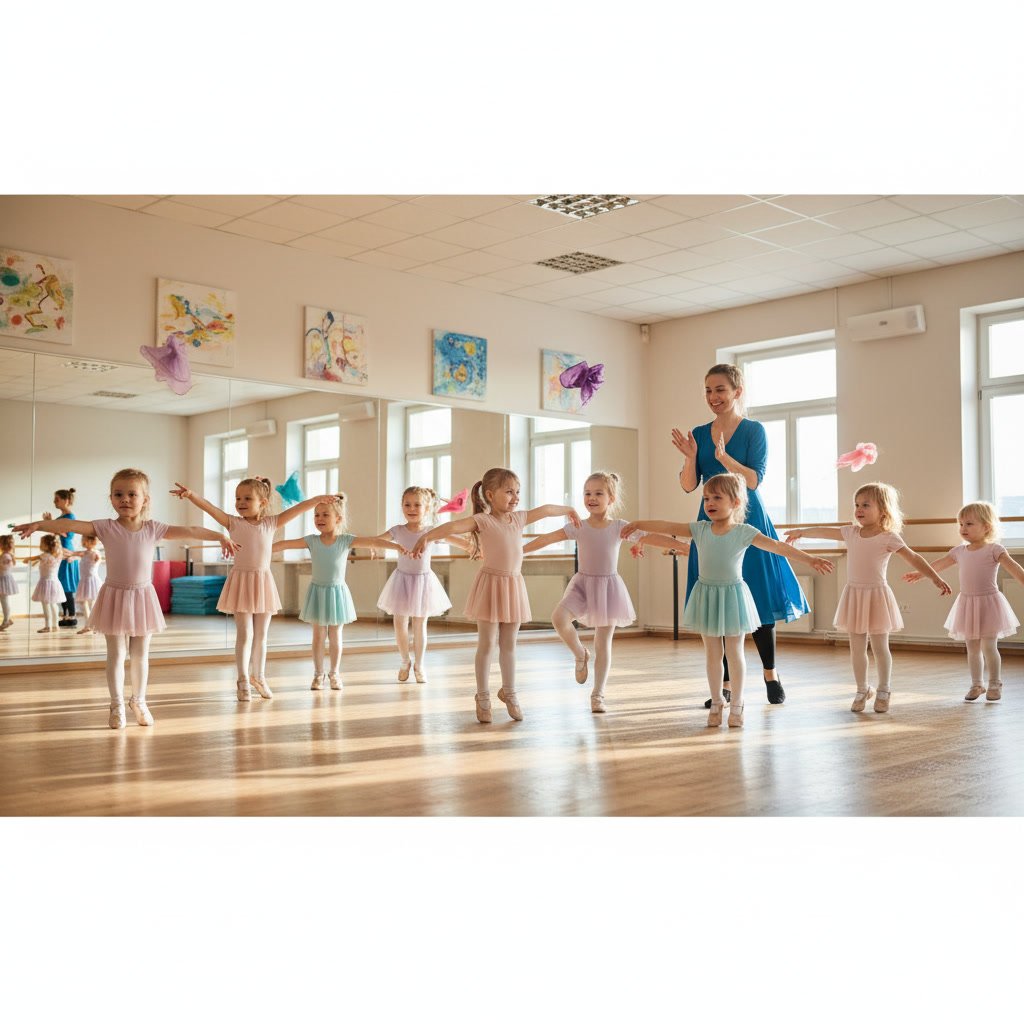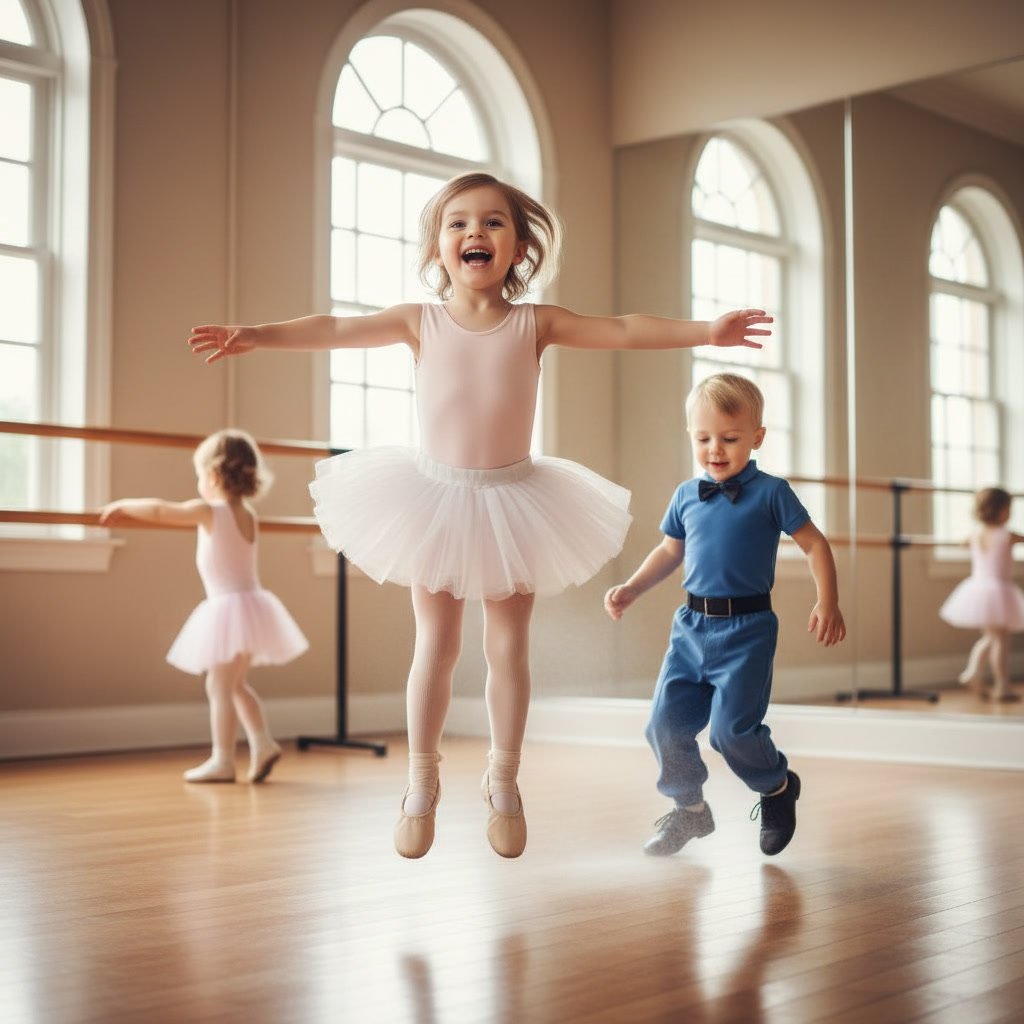
If your toddler shows a love for structure, responds well to routine, and enjoys music with clear rhythms, ballet and tap may be the perfect starting point for their dance journey. These classical styles build essential coordination, musicality, and discipline in ways that more free-form dance styles cannot replicate. Understanding whether your toddler will thrive in ballet and tap helps you make the right choice from the start, setting the foundation for years of dance enjoyment.
Choosing your child’s first dance style is more important than many parents realize. The right match builds confidence and genuine skill, while the wrong fit can lead to frustration or disinterest. Ballet and tap offer unique benefits for young learners, but they are not the only options available to families today.
Why the First Dance Style Matters for Your Child’s Success
The dance style your toddler starts with shapes their entire relationship with movement and performance. Starting with a style that matches their temperament and developmental stage leads to faster progress, better retention, and more enthusiasm for class. When toddlers feel successful early on, they develop a positive association with dance that carries through childhood.
Ballet and tap have been the traditional starting points for young dancers for good reasons. Both emphasize precise movements, clear technique, and structured progressions that young minds can grasp. Unlike more improvisational styles, these disciplines give toddlers concrete goals to work toward in every class.
The Personality Traits That Signal Ballet Readiness
Toddlers who gravitate toward ballet typically show certain personality markers before their first class. They often enjoy activities with clear rules and predictable patterns. If your child loves puzzles, sorting games, or following step-by-step instructions, they will likely respond well to ballet’s structured approach.
Children who thrive in ballet also tend to have longer attention spans for their age. Ballet requires holding positions, remembering sequences, and repeating movements multiple times. A toddler who can focus on a single activity for five to ten minutes shows the concentration needed for beginner ballet exercises.
Another strong indicator is a child’s response to classical music. Toddlers who naturally move to music, especially pieces with varied tempos and dynamics, often find ballet’s musicality engaging. They do not need perfect pitch or rhythm yet, just an instinctive enjoyment of musical expression.
Physical Signs Your Toddler Is Ready for Tap Dance
Tap dance appeals to toddlers with specific physical tendencies. If your child naturally stomps, jumps, or makes rhythmic sounds with their feet, tap channels that energy into skill development. These children are often kinesthetic learners who understand concepts better through movement than through watching or listening.
Balance is another key factor. Tap requires weight shifts and single-leg movements that challenge a toddler’s developing coordination. Children who can stand on one foot for three to five seconds, walk along a curb without help, or hop on both feet show the physical readiness for basic tap technique.
Toddlers who thrive in tap also tend to love cause-and-effect relationships. The immediate sound feedback from tap shoes fascinates children who enjoy seeing direct results from their actions. This instant gratification keeps them engaged through the repetition needed to learn new steps.
How Ballet and Tap Compare to Other Toddler Dance Options in Greenacres
When you explore dance options for young children, you will encounter several styles beyond ballet and tap. Hip-hop classes offer high energy and contemporary music but require less technical precision in the early stages. Toddlers who need constant movement and variety may prefer hip-hop’s freestyle elements over ballet’s controlled positions.
Jazz and acro combine dance with tumbling and flexibility work. These classes suit children with gymnastics backgrounds or those who love flips and tricks. However, they demand more body awareness and strength than most two- and three-year-olds possess.
Mommy and me classes provide a gentler introduction for very young or shy toddlers. These parent-participation sessions build comfort with group settings before transitioning to independent classes. Many families use these as a bridge to ballet and tap around age three or four.
Musical theatre appeals to outgoing, dramatic children who love storytelling and performance. This style incorporates acting, singing, and multiple dance forms. It works best for slightly older children who can handle the cognitive demands of combining these elements.
When Structure Helps More Than Freedom
One expert insight that surprises many parents is that most toddlers actually crave structure more than creative freedom in their early dance experiences. While it seems intuitive that young children would prefer unstructured play, research in early childhood development shows that clear boundaries and predictable routines reduce anxiety and increase learning retention.
Ballet and tap provide this framework naturally. Each class follows a similar warm-up, skill-building, and cool-down sequence. Toddlers know what to expect, which frees their cognitive resources to focus on learning movements rather than navigating uncertainty. This is why structured dance styles often produce faster skill acquisition in the three-to-five age range compared to improvisational approaches.
The structure also helps parents assess progress. With ballet’s five basic positions or tap’s foundational sounds like shuffles and flaps, you can clearly see what your child has mastered. In more free-form styles, growth is harder to measure, which can make it difficult to know if your child is truly developing or just having fun without skill progression.
The Role of Musicality and Rhythm Recognition
Both ballet and tap develop musicality, but in different ways. Ballet teaches children to match their movements to musical phrasing, dynamics, and emotion. Toddlers learn to move smoothly during lyrical passages and freeze in poses during accents. This training builds an understanding of how music tells a story.
Tap develops rhythm recognition more directly. Children must hear beats, count them, and reproduce them with their feet. This is a more mathematical form of musicality that strengthens auditory processing and temporal sequencing. Toddlers who struggle with speech rhythm or who are learning multiple languages often show remarkable progress through tap training.
If your child can clap along to simple songs, identify when music is fast or slow, or spontaneously dance to different genres, they have the basic musicality needed for either style. The choice between ballet and tap then depends more on whether they prefer flowing movements or percussive sounds.
How Attention Span Predicts Success in Structured Dance
Attention span is the single strongest predictor of whether a toddler will thrive in ballet and tap classes. These styles require listening to instructions, watching demonstrations, and practicing specific movements repeatedly. A child who cannot attend to a teacher for at least short intervals will find this process frustrating.
Most three-year-olds can focus for about three to five minutes on a structured task before needing a change. Quality ballet and tap programs for toddlers structure classes around this reality, changing activities every few minutes while still maintaining an overall routine. By age four or five, attention spans extend to ten or fifteen minutes, allowing for longer combinations and more complex choreography.
If your toddler struggles with attention during story time, mealtime, or other structured activities, consider waiting six months before enrolling in ballet or tap. Extra maturity makes a significant difference in both enjoyment and skill development. Pushing too early can create negative associations that are hard to reverse.
Social Comfort and Group Learning Dynamics
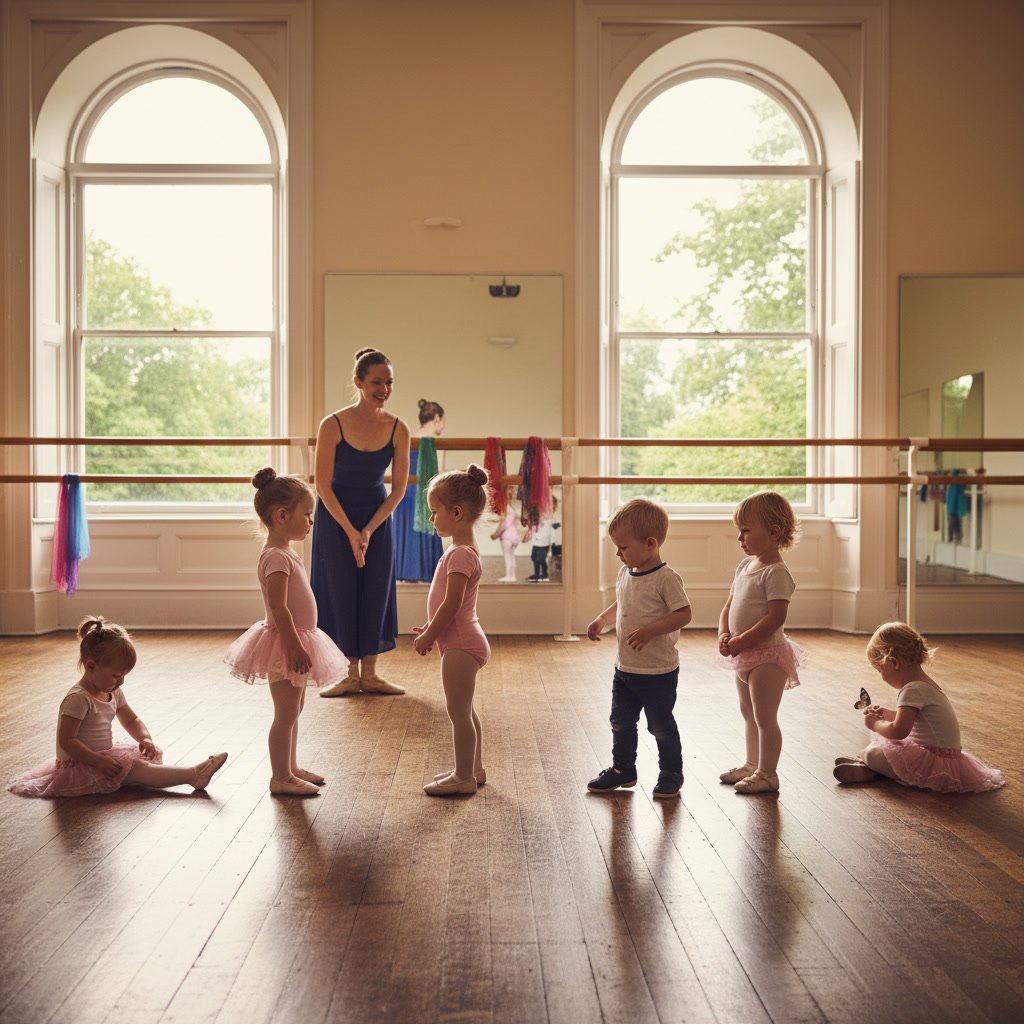
Ballet and tap classes are inherently social experiences. Toddlers must follow along with peers, take turns, share space, and sometimes perform in front of the group. Children who have experience in preschool, playgroups, or other structured social settings typically adjust faster to dance class expectations.
Shy or anxious toddlers can absolutely succeed in ballet and tap, but they need patient teachers who allow them to observe before participating. Some children watch for two or three classes before they feel safe enough to join in fully. This is completely normal and does not predict long-term success or failure.
More aggressive or impulsive toddlers face different challenges. Ballet requires respecting personal space and gentle movements, while tap demands waiting for turns and not creating noise during others’ performances. If your child struggles with impulse control, look for smaller class sizes where teachers can provide more individual attention and redirection.
The Physical Development Markers That Matter Most
Certain physical milestones indicate readiness for ballet and tap technique. By age three, most children can walk up stairs alternating feet, balance on one foot briefly, and jump with both feet leaving the ground. These abilities form the foundation for basic dance movements.
Fine motor control of the feet develops more slowly than gross motor skills. Pointing and flexing the feet with intention usually emerges around age four. Before this, toddlers can mimic the shapes but do not have the neuromuscular control for true articulation. This is why beginner ballet focuses more on positions and weight shifts than detailed footwork.
Flexibility varies enormously among toddlers and does not predict dance success at this age. Some naturally flexible children lack the strength to control their range of motion, while less flexible children often have better stability. Both ballet and tap build functional flexibility over time, so starting levels matter less than consistent practice.
Making the Right Choice for Your Family
Beyond your child’s readiness, practical factors influence whether ballet and tap are the right fit. Class schedules, location convenience, and family priorities all play roles. Some families prefer the single enrollment of combination ballet-tap classes for toddlers, while others choose to focus on one style at a time.
Cost considerations matter too, though they should not be the only factor. Quality instruction from experienced teachers who understand toddler development delivers better outcomes than cheaper classes with less qualified staff. The difference shows up in how quickly your child progresses and whether they stay engaged month after month.
Your own availability to support practice at home also affects success. Toddlers who thrive in ballet and tap often have parents who put on music at home, encourage practicing steps in the living room, and show genuine interest in what they learned. This reinforcement outside of class accelerates skill development significantly. You can learn more about what to expect in our detailed guide on how ballet and tap classes work for young children.
Finding the Right Program Makes All the Difference
Recognizing the signs that your toddler will thrive in ballet and tap gives you confidence in your choice, but the quality of instruction ultimately determines success. Look for programs that understand toddler development, maintain appropriate class sizes, and celebrate small victories rather than pushing perfection. When these elements align with your child’s natural inclinations, dance becomes a source of joy and growth that extends far beyond the studio.
If you see these readiness signs in your toddler, now is the perfect time to explore your options. Lisa’s Dance and Exercise offers specialized ballet and tap classes designed specifically for young beginners, taught by instructors who understand both dance technique and child development. Our Greenacres studio welcomes toddlers ages 18 months and up to discover the joy of structured dance in a supportive, age-appropriate environment. Call +15613175738 to schedule a trial class and see if ballet and tap are the right fit for your child.