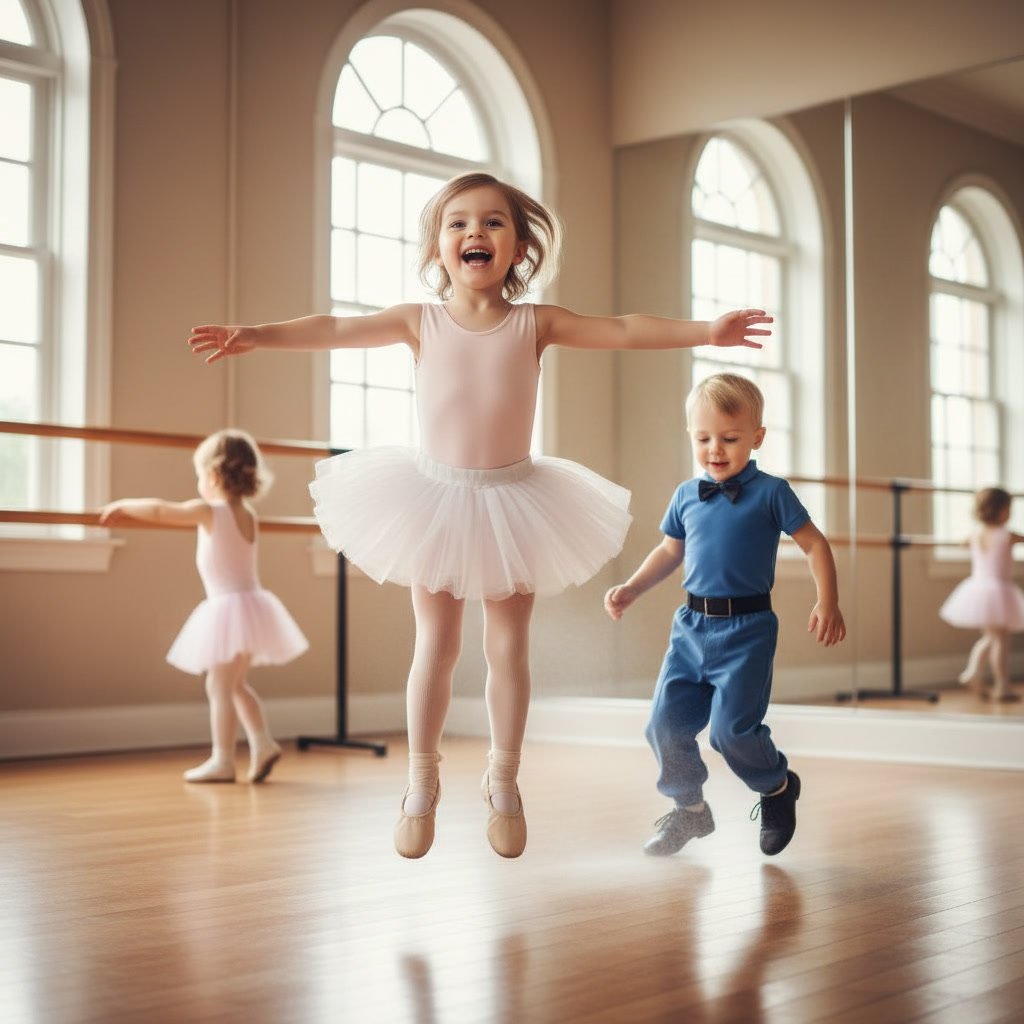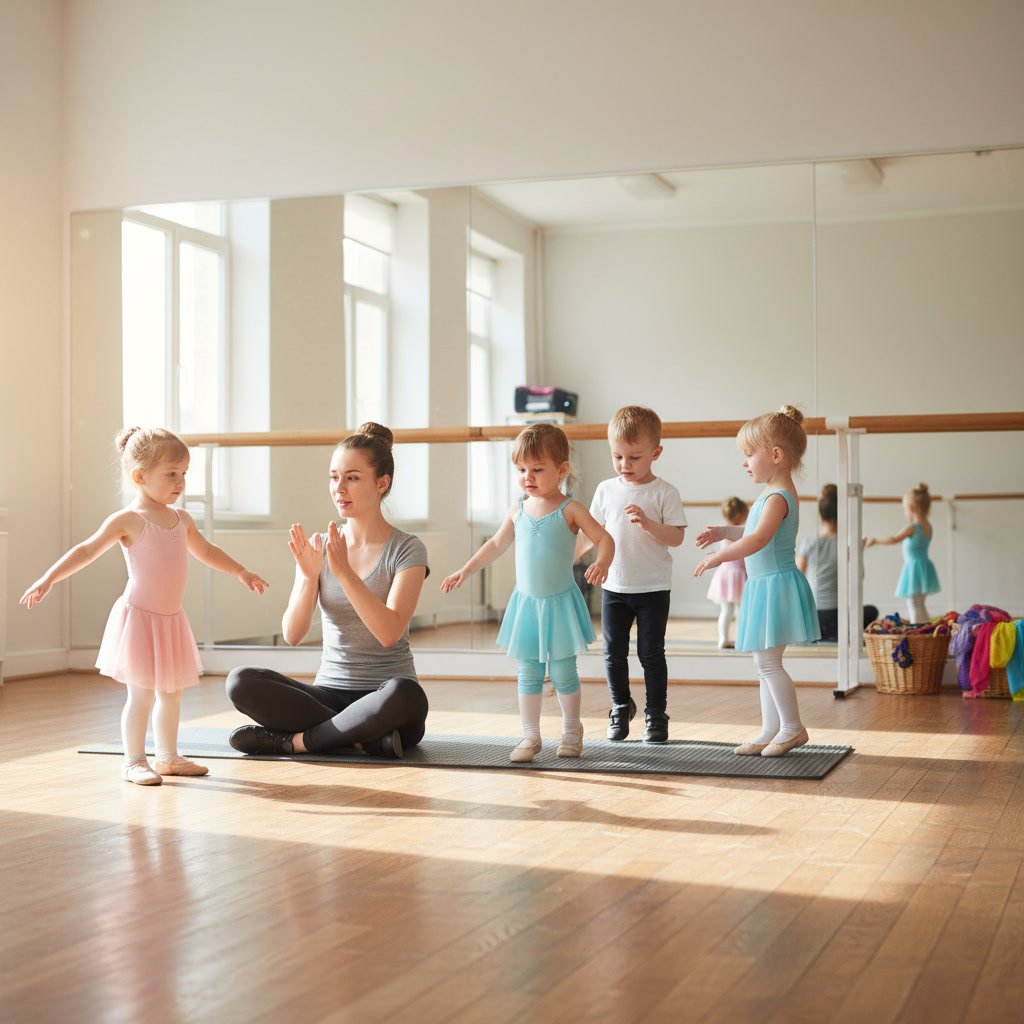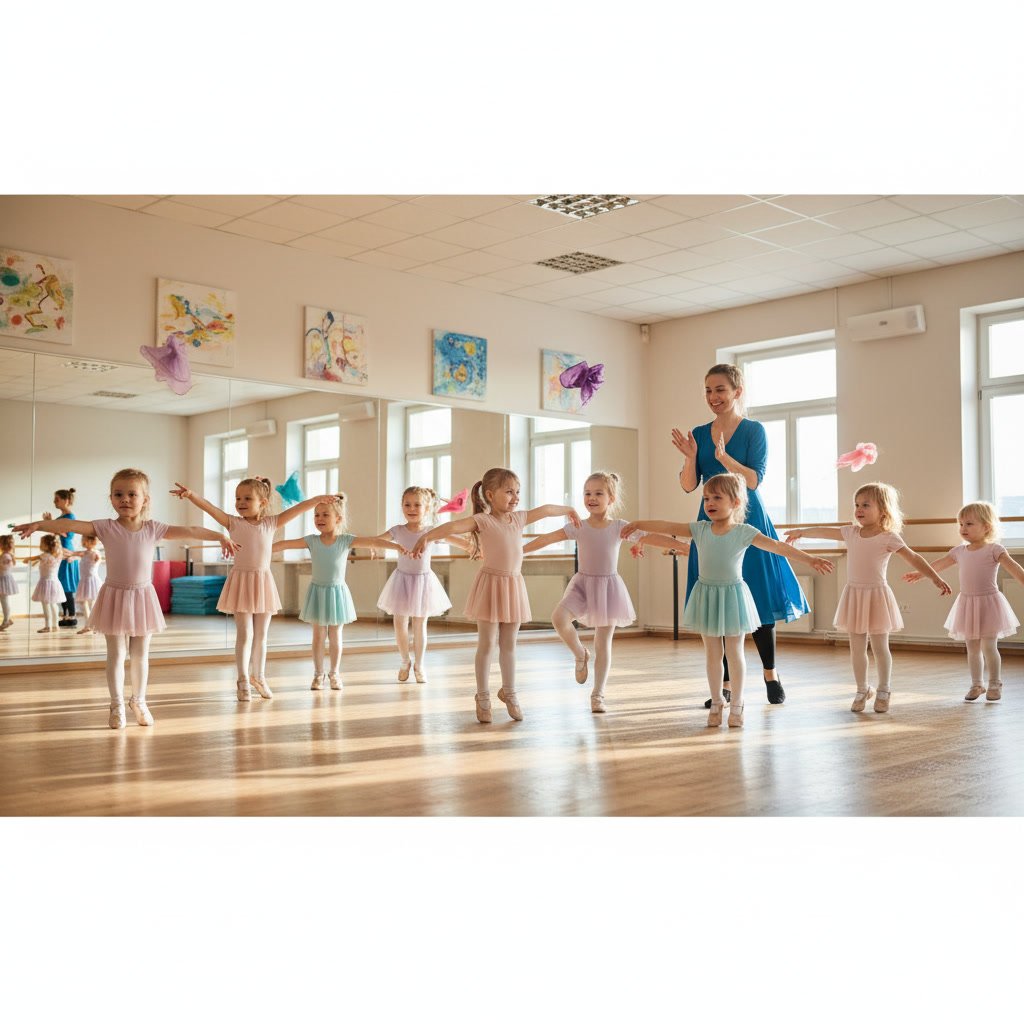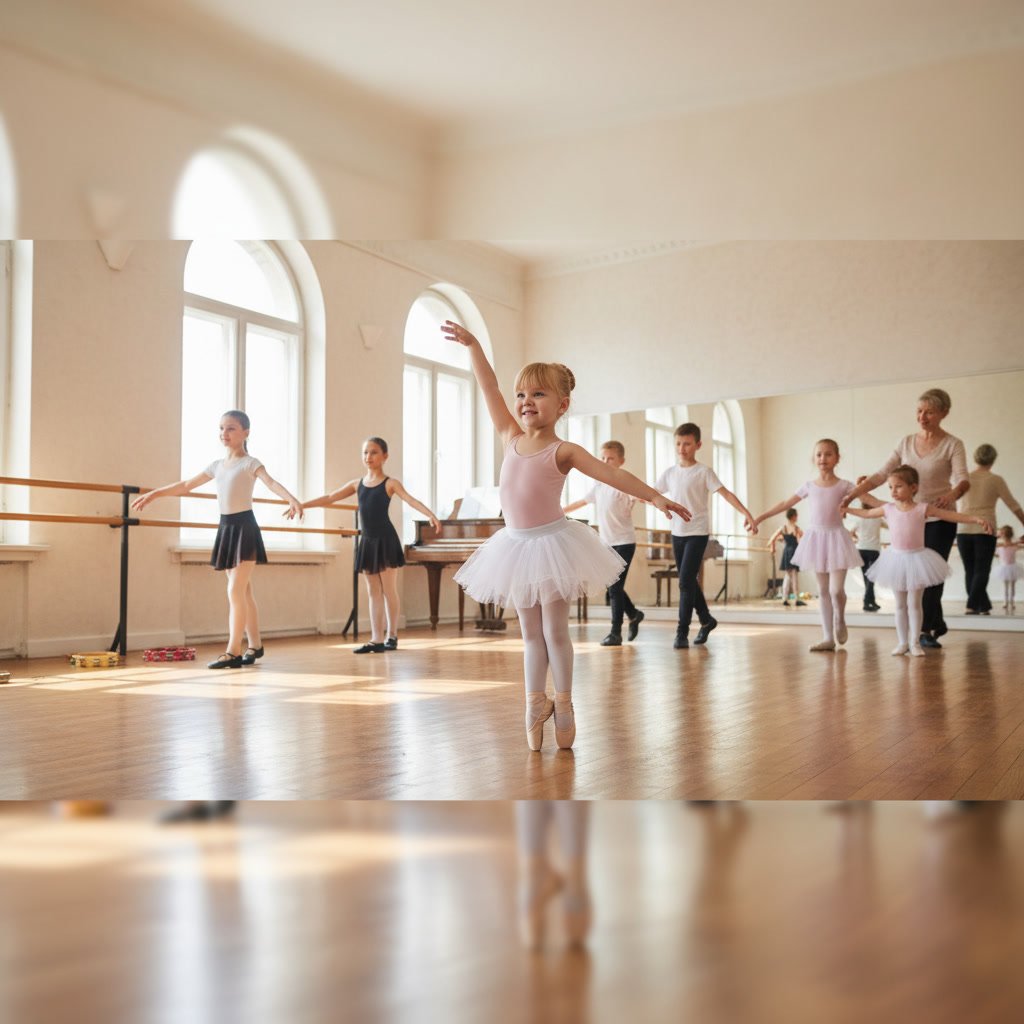
Most children show signs they’re ready for ballet lessons between 18 months and five years old. Look for basic physical coordination, the ability to follow simple directions, and genuine interest in music or movement. These foundational skills indicate your child can handle the structure and physical demands of beginner dance classes without frustration or injury.
Why Early Dance Education Matters
Dance education builds far more than rhythm and coordination. Young children who begin structured movement classes develop spatial awareness, balance, and body control that carries into every aspect of physical development. Research shows that early exposure to dance improves cognitive function, social skills, and emotional regulation in ways that benefit academic performance later.
The key is timing. Starting too early can lead to frustration when a child lacks the developmental readiness to follow instructions or control their body. Starting at the right moment creates positive associations with learning, physical activity, and creative expression that last a lifetime.
Physical Coordination Signals
Watch how your child moves during everyday activities. Can they walk up and down stairs without holding the railing every time? Do they run without frequently tripping or losing balance? Can they jump with both feet leaving the ground together?
These gross motor skills form the foundation for basic ballet and tap movements. A child who struggles with basic balance will find first position or simple tap steps extremely challenging. Most children develop adequate coordination for beginner classes between ages two and four, though individual timelines vary widely.
Fine motor control matters too. Look for the ability to copy simple hand movements or clap along to a beat. These skills translate directly to arm positions in ballet and rhythm work in tap.
Following Directions and Group Settings
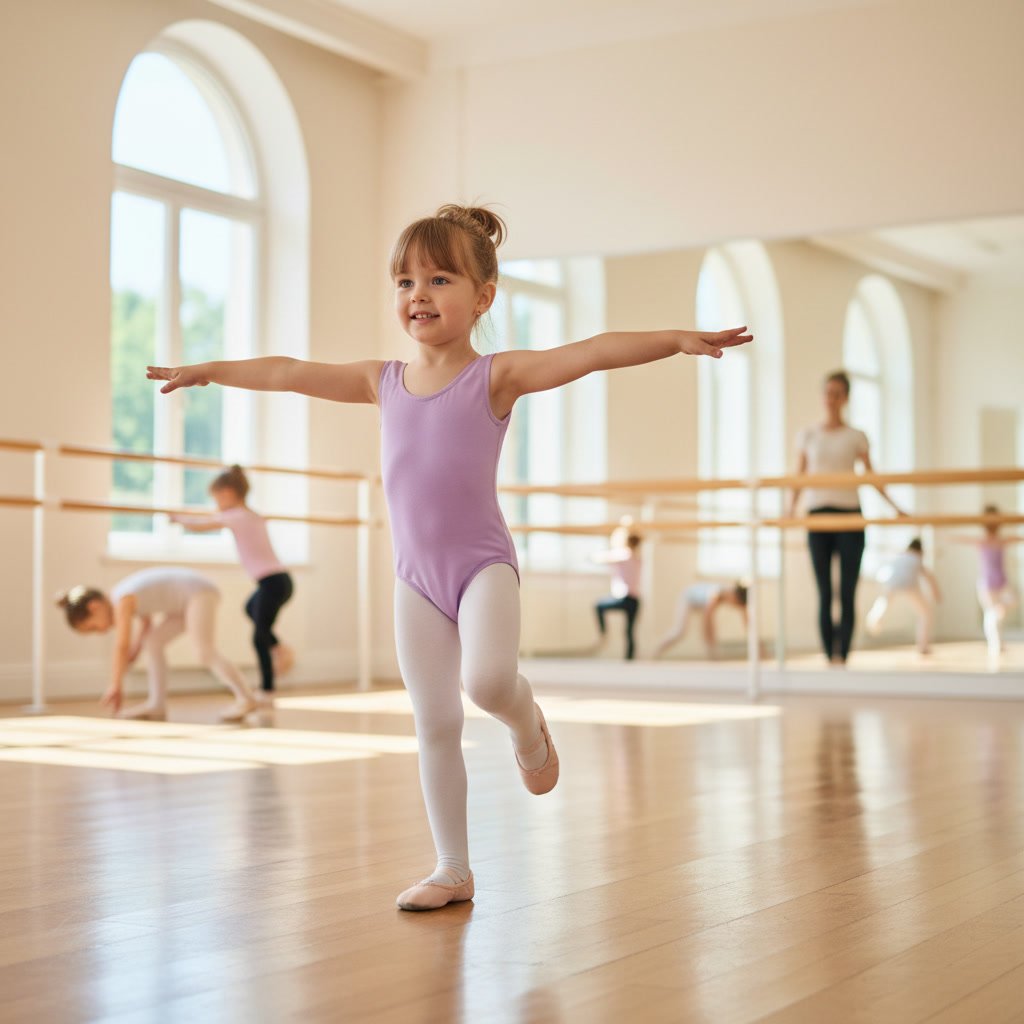
Dance classes require children to listen, watch, and repeat movements demonstrated by a teacher. Your child should be able to follow two-step directions at home before entering a dance classroom. Simple commands like “pick up your toy and put it in the basket” test this skill.
Group class environments add another layer. Can your child play near other children without constant adult intervention? Do they show awareness of personal space? A successful Ballet and Tap class depends on students staying in their own space and taking turns, skills most children develop between ages two and a half and four.
Children who aren’t quite ready for independent classes often thrive in parent-participation formats. These transitional programs let children build classroom skills with the security of a caregiver nearby.
Attention Span Benchmarks in Greenacres
A typical beginner dance class runs 30 to 45 minutes. Your child needs enough attention span to participate in short activities that change every five to seven minutes. This doesn’t mean sitting still, it means staying engaged with the current activity rather than wandering off or becoming disruptive.
Test this at home. Can your child stay engaged with a single activity, like coloring or building blocks, for at least five minutes? Do they watch a favorite show or listen to a story without constant movement?
Classes in Greenacres often structure beginner sessions with frequent activity changes to match young attention spans. Teachers alternate between movement exercises, creative play, and brief rest periods to keep students engaged without overwhelming them.
Musical Interest and Rhythm Response
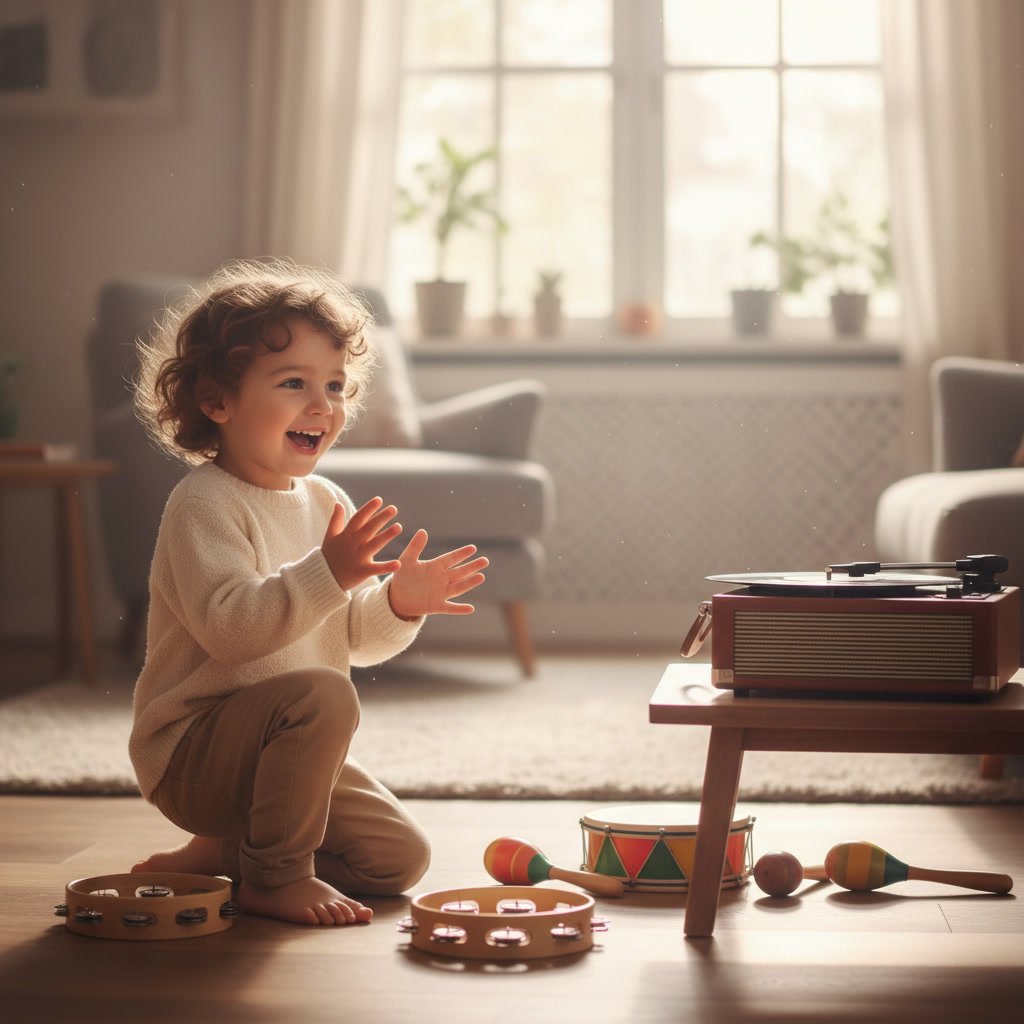
Natural musicality isn’t required, but interest in music strongly predicts dance class success. Does your child dance spontaneously when music plays? Do they try to clap or move along to songs?
Even toddlers show rhythm awareness by bouncing or swaying to music. This instinctive response indicates readiness to learn structured movements timed to music. Children who ignore music or seem uninterested may not yet be developmentally ready to connect sound and movement, a core component of both ballet and tap.
Perfect rhythm isn’t the goal at the beginner level. Teachers expect to develop timing and musicality gradually. The key indicator is whether your child notices and responds to music at all.
Social and Emotional Readiness Indicators
Dance classes are social environments. Your child will succeed more easily if they can separate from you for the class duration without significant distress. Some studios offer parent-viewing areas or Mommy and Me classes for children not yet ready for independent participation.
Emotional regulation matters equally. All children have difficult moments, but successful dance students can recover from minor frustrations, like not being first in line or struggling with a new step, without melting down completely.
Watch how your child handles new situations. Do they warm up to new environments and people within a reasonable timeframe? Do they show interest in trying new activities, even if initially hesitant? These traits predict positive dance class experiences.
Age-Specific Readiness: A Breakdown
While every child develops differently, certain age ranges align with specific readiness levels:
18 months to 2 years: Most children this age benefit most from unstructured movement play or parent-child classes. They’re developing basic coordination and learning to follow simple prompts. Formal instruction is usually premature.
2 to 3 years: Many children develop enough coordination and direction-following ability for very basic classes. Look for programs with 30-minute sessions, frequent activity changes, and low student-teacher ratios. Parent participation often helps.
3 to 4 years: This is the sweet spot for most children to begin independent beginner ballet or tap. They typically have adequate coordination, attention span, and social skills for structured 45-minute classes.
4 to 5 years: Nearly all typically developing children are ready for formal dance instruction by this age. They can handle longer classes, more complex combinations, and classroom expectations with minimal difficulty.
5 and up: Children this age are developmentally ready for dance and can often add multiple styles. Many students explore Jazz and Acro or other formats alongside ballet and tap.
Physical Comfort and Body Awareness
Dance requires awareness of body position in space. Children ready for lessons typically know basic body parts and can touch specific areas when asked. “Touch your toes” or “put your hands on your head” shouldn’t require multiple demonstrations.
Comfort with physical activity matters too. Children who resist active play or seem unusually cautious about movement may need more time before structured dance classes feel positive rather than stressful. The goal is building confidence, not forcing participation before a child feels ready.
Watch for natural body confidence. Does your child enjoy moving, jumping, and exploring physical capabilities? This enthusiasm translates directly into dance class engagement.
Communication Skills That Support Learning
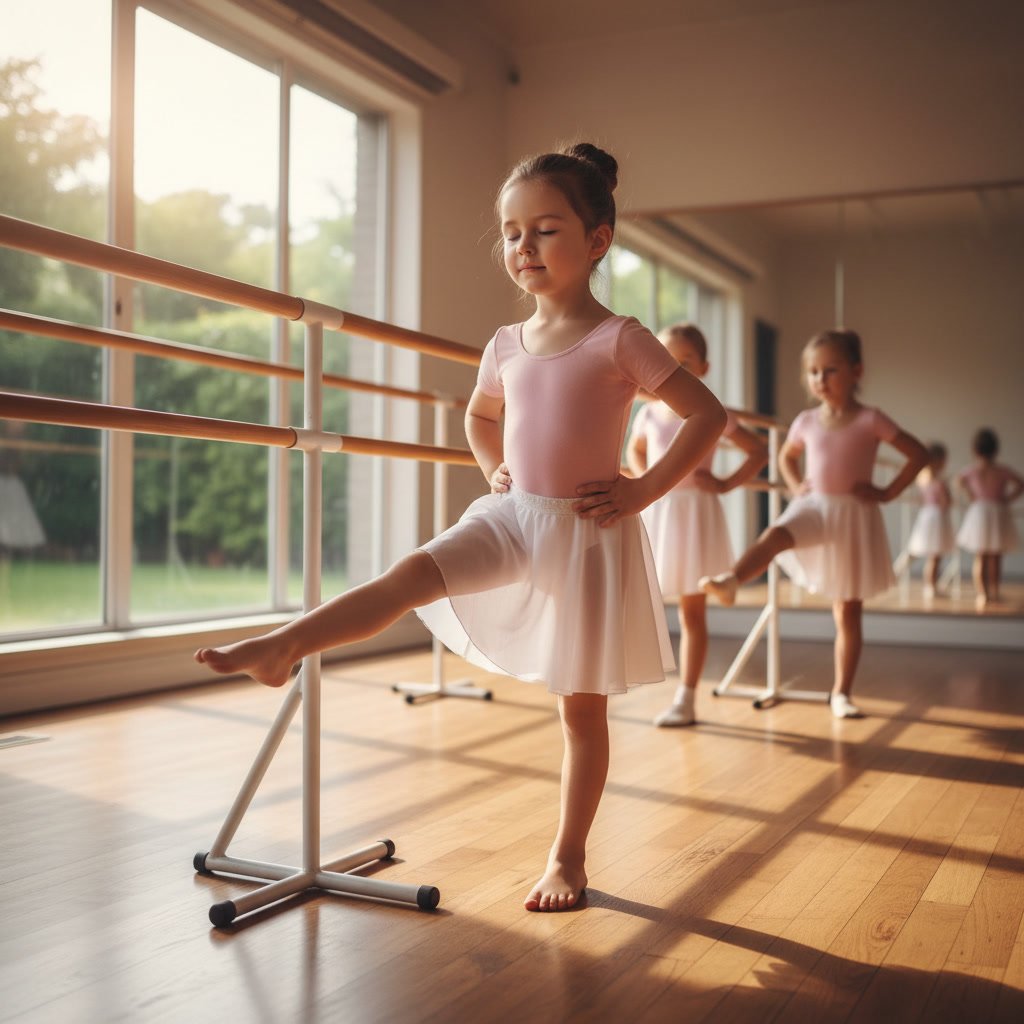
Your child doesn’t need extensive vocabulary, but basic communication helps tremendously. Can they express needs like needing water or using the bathroom? Can they ask simple questions or indicate when they don’t understand something?
Receptive language, understanding what’s said to them, matters more than expressive language at the beginner level. Teachers use demonstration alongside verbal instruction, but children must understand basic prompts like “stand in a circle” or “watch me first.”
Children who struggle significantly with language comprehension may find dance class frustrating until their communication skills develop further. However, many children with speech delays excel in dance because it offers non-verbal expression and learning through imitation.
Interest and Enthusiasm for Dance
Genuine interest matters more than any other factor. A child who begs to take dance class will overcome minor developmental gaps through sheer motivation. A child pushed into classes before they show interest may resist participation regardless of readiness.
Look for spontaneous dance-like behavior at home. Does your child twirl, jump, or make up movement games? Do they watch dance performances or videos with interest? Do they ask about dance classes after seeing other children in dance attire?
This intrinsic motivation drives persistence when learning gets challenging. Children learning dance because they genuinely want to practice between classes, ask questions, and push through frustration in ways that children attending solely because parents enrolled them simply don’t.
Setting Your Child Up for Success
Once you identify readiness, choosing the right program and teacher makes all the difference. Look for instructors with specific training in early childhood development, not just dance technique. The best beginner teachers understand how young children learn and structure classes accordingly.
Class size matters significantly for young beginners. Smaller classes with higher teacher-student ratios allow more individual attention and correction. This prevents bad habits from forming and keeps children engaged rather than lost in a crowd.
Trial classes let you assess fit before committing. Watch how teachers interact with students, how they correct mistakes, and whether they create a positive, encouraging environment. Your child’s experience in those first few classes shapes their entire relationship with dance and physical activity.
Many parents find that exploring different class options for young children helps them understand which format suits their child’s personality and readiness level best.
Taking the Next Step With Confidence
Trust your knowledge of your child. If they show most of these readiness signs, they’ll likely thrive in a well-structured beginner class. If several areas need development, waiting a few months often makes the difference between struggle and success. Dance will still be there when they’re ready, and starting at the right developmental moment creates positive experiences that build lifelong love of movement.
The teachers at Lisa’s Dance and Exercise bring over a decade of experience helping parents determine readiness and placing children in appropriate classes. With backgrounds in child development and specialized training in teaching toddlers through school-age students, the instructors create supportive environments where beginners build skills at their own pace. Located at 3965 Jog Road, the studio welcomes families ready to explore whether dance is the right fit for their child. Call +15613175738 to discuss your child’s readiness and schedule a trial class.