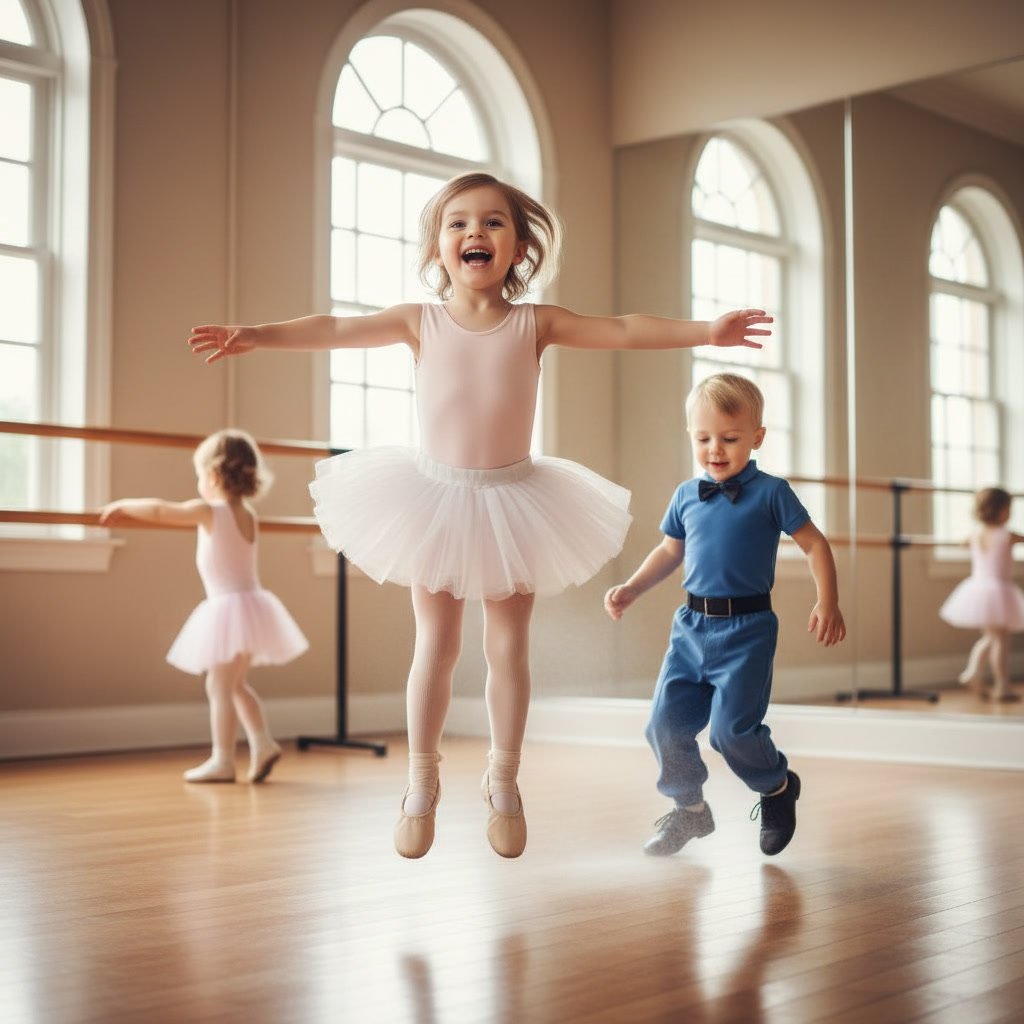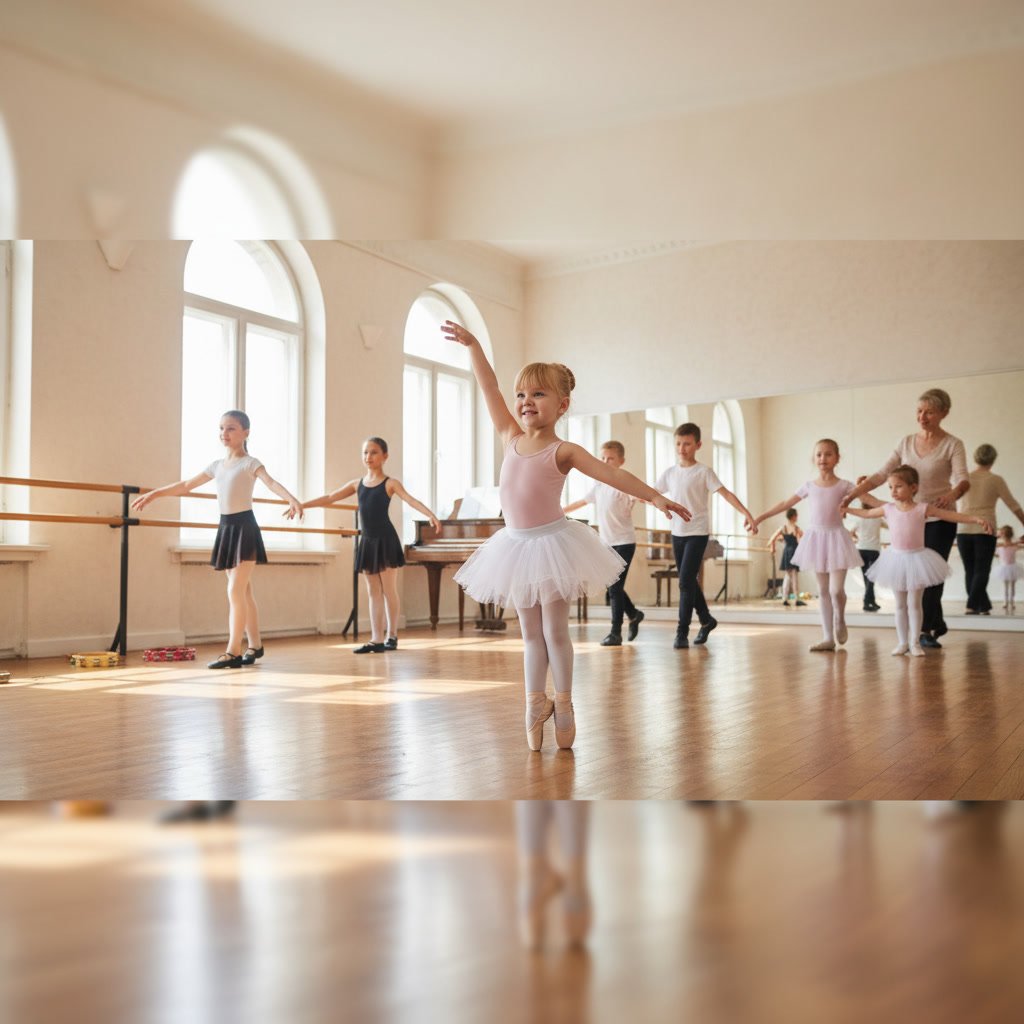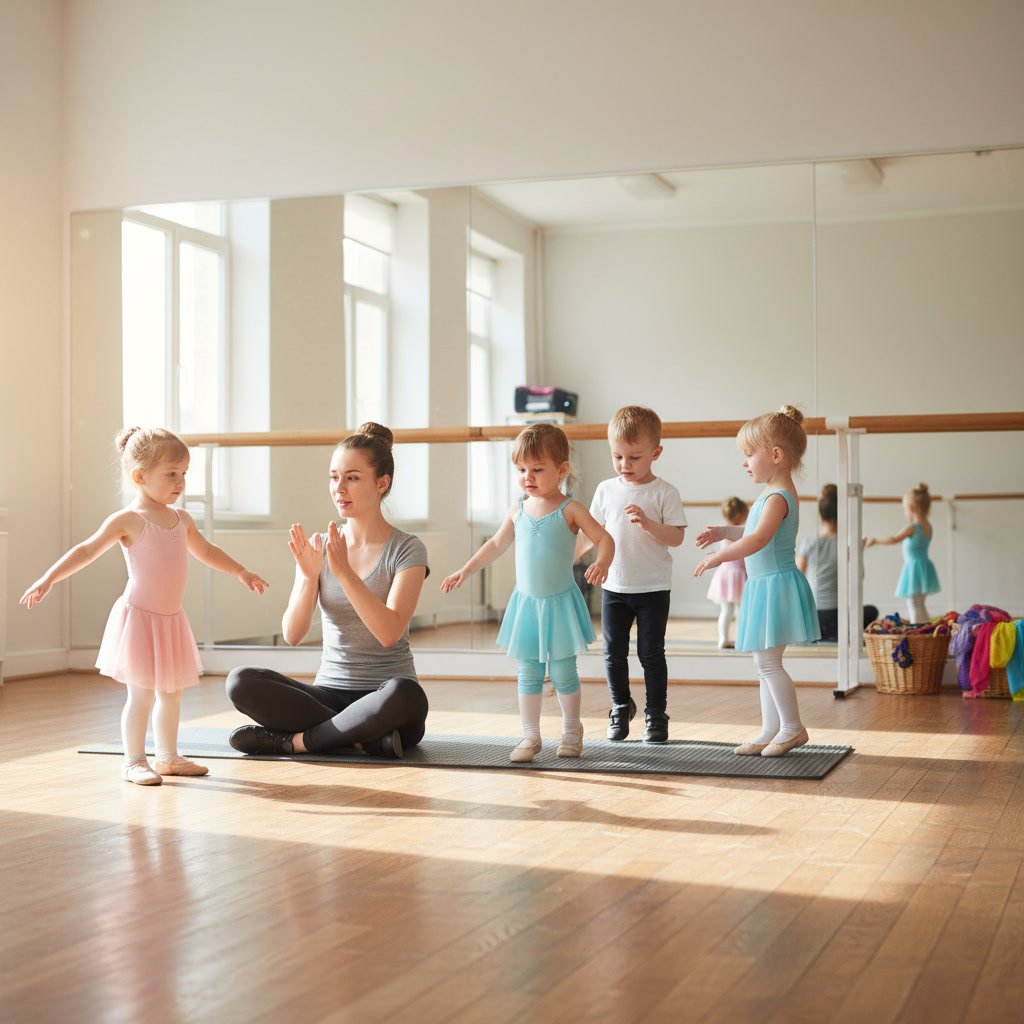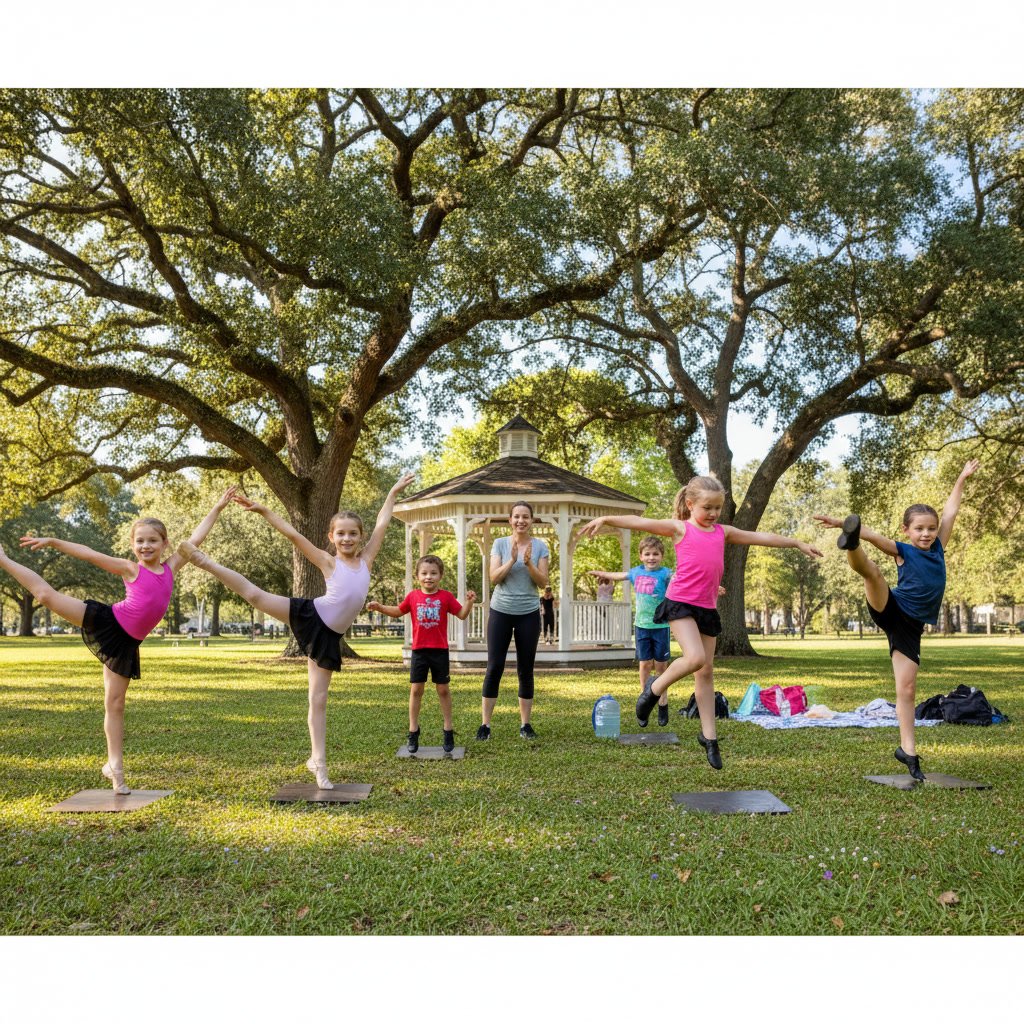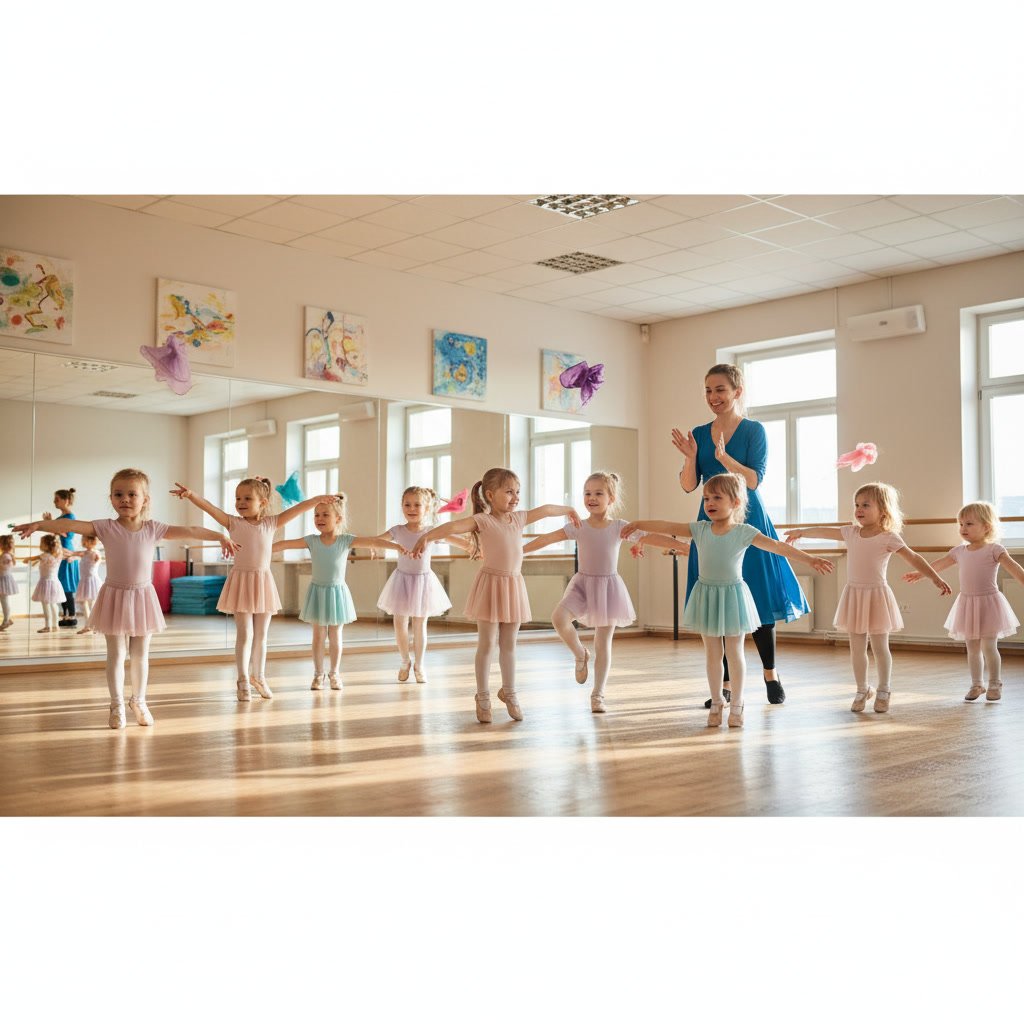
Your toddler bounces around the living room to every song on the radio. Your preschooler twirls through the grocery store aisles. That natural love of movement deserves nurturing, and the right dance program can channel that energy into skill development, confidence, and joy. When searching for dance classes Greenacres FL parents can trust, you need instructors who understand early childhood development and create a safe, encouraging environment where little ones thrive.
The early years between 18 months and five years old represent a critical window for developing coordination, social skills, and a positive relationship with physical activity. Quality dance instruction during this period builds a foundation that benefits children throughout their lives, whether they continue dancing or simply carry those lessons into other activities.
Why Early Dance Education Matters for Young Children
Dance classes designed for toddlers and preschoolers do much more than teach steps. Children in this age group are developing gross motor skills, learning to follow multi-step directions, and discovering how to interact with peers in structured settings.
Between ages one and five, children’s brains form millions of neural connections every second. Physical activities like dance strengthen these pathways, improving balance, spatial awareness, and body control. Research shows that children who participate in structured movement activities demonstrate better focus and self-regulation skills in other settings, including preschool and kindergarten.
Dance also provides an emotional outlet. Toddlers and preschoolers experience big feelings but lack the vocabulary to express them. Movement gives them another language, a way to communicate joy, excitement, or even frustration in a healthy, constructive manner.
Pro Tip: Look for programs where teachers have formal training in both dance and child development. Understanding age-appropriate expectations prevents frustration and keeps classes fun rather than stressful.
What to Look for in Toddler and Preschool Dance Programs
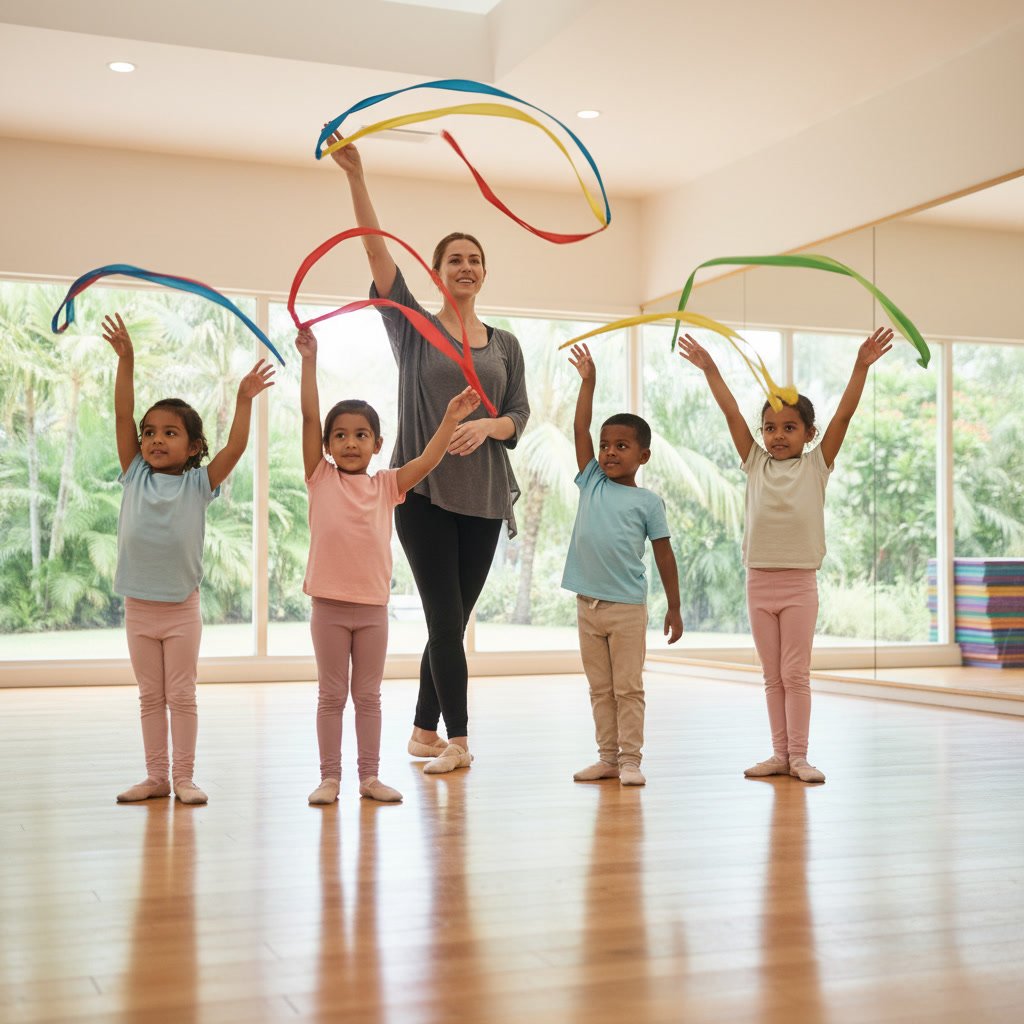
Not all dance schools offer true early childhood programs. Some simply scale down older children’s classes, which misses the developmental needs of the youngest dancers. The best programs incorporate specific elements that match how toddlers and preschoolers learn.
Age-Appropriate Class Structure
Toddlers have attention spans of about three to five minutes per activity. Effective classes for this age group switch between activities frequently, mixing creative movement, structured steps, props, and free dance. Preschoolers can handle slightly longer segments, around five to ten minutes, but still need variety.
Classes should feel playful rather than rigid. Teachers might pretend to be animals, incorporate storytelling, or use imaginative games to introduce concepts like rhythm, tempo, and spatial awareness. This approach teaches fundamental dance skills while respecting developmental stages.
Small Class Sizes and Teacher Ratios
Young children need individual attention to feel secure and make progress. Classes with eight to ten students maximum allow teachers to connect with each child, provide hands-on guidance, and manage the energy level effectively.
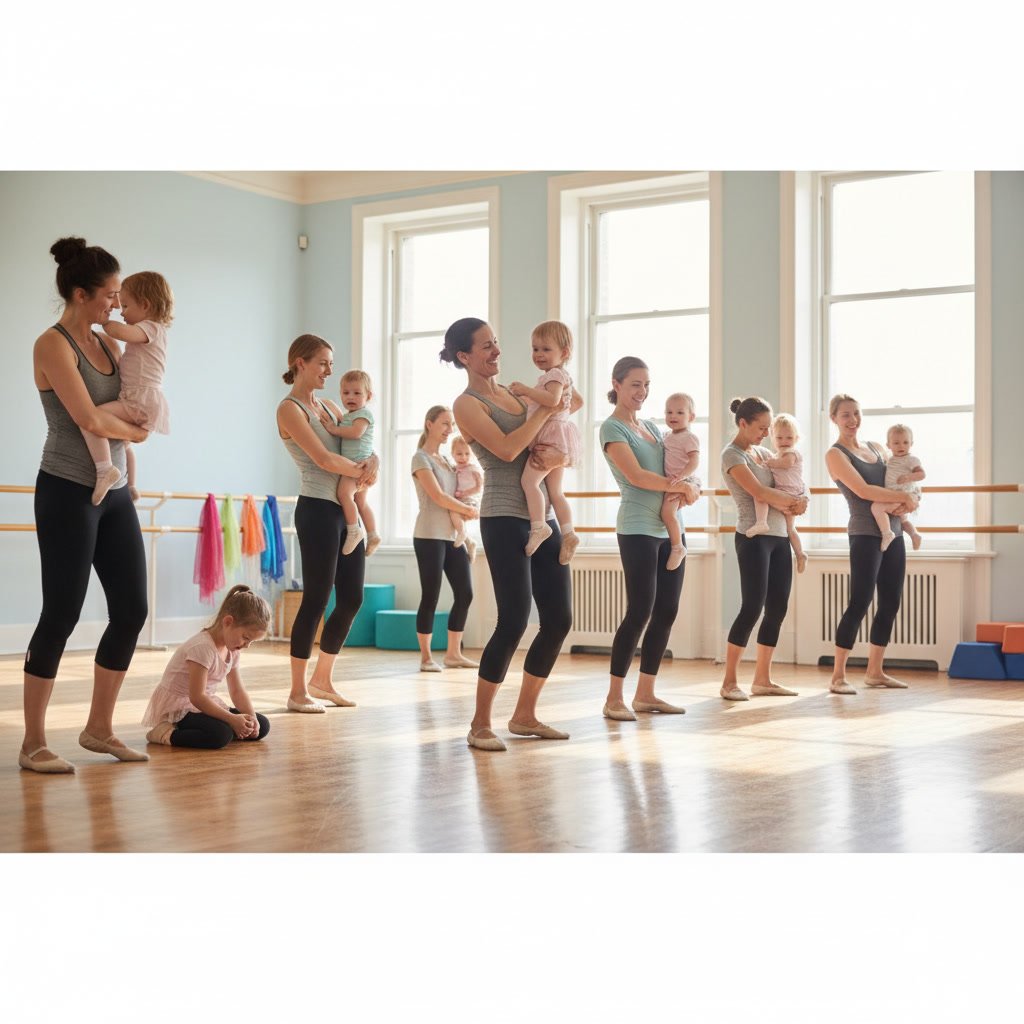
Parent-child classes (often called Mommy and Me) work well for the youngest dancers, typically ages 18 months to three years. Having a familiar caregiver present helps children feel confident exploring movement in a new environment.
Qualified Instructors with Child Development Background
Dance technique matters, but understanding child psychology matters more when teaching toddlers and preschoolers. Teachers should recognize that accidents happen, tears are normal, and not every child participates in the same way or at the same pace.
Instructors with backgrounds in early childhood education, child counseling, or years of experience with young students bring patience and realistic expectations. They celebrate small victories and know how to redirect without discouraging.
Dance Styles Perfect for Beginning Dancers
Several dance styles work particularly well for introducing toddlers and preschoolers to movement education. When exploring dance classes Greenacres FL studios offer, you’ll typically find these options for young children.
Ballet and Tap Combination Classes
Many studios combine ballet and tap for beginners because it provides variety while teaching foundational skills. Ballet develops posture, balance, and grace. Tap introduces rhythm and musicality in a way young children find exciting because they can hear their feet making sounds.
These combination classes typically dedicate half the time to each style, keeping things fresh and engaging. Children learn basic positions, simple steps, and how to move with intention rather than random bouncing.
Creative Movement and Tumbling
Creative movement classes focus less on specific dance techniques and more on exploration. Children learn to move high and low, fast and slow, big and small. They experiment with locomotor skills like galloping, skipping, and leaping.
Adding tumbling elements like forward rolls, cartwheels, and basic gymnastics builds strength and confidence. These skills complement dance beautifully and give naturally active children an outlet for their energy.
Mommy and Me Programs
For the youngest dancers, classes that include a parent or caregiver provide security and bonding time. These sessions often mix music, movement games, simple props like scarves or shakers, and lots of positive reinforcement.
Parents learn activities they can continue at home, extending the benefits beyond the weekly class. The social aspect also helps caregivers connect with others navigating similar stages of child development.
What Makes Lisa’s Dance and Exercise Stand Out for Young Children
Lisa’s Dance and Exercise in Greenacres has built its reputation on understanding what young children need to succeed. Located at 3965 Jog Road, the studio offers multiple options specifically designed for toddlers and preschoolers.
Founder Lisa Lee holds a Master’s Degree in Child Counseling from Palm Beach Atlantic University, where she studied the benefits of involving children in exercise at early ages. This background informs every aspect of how classes are structured, from managing classroom behavior to celebrating developmental milestones.
Programs Designed for Ages 18 Months to Five Years
The studio offers Mommy and Me classes for the youngest dancers, starting at 18 months. These sessions introduce basic concepts in a playful, pressure-free environment where parents actively participate.
As children develop independence, they can transition to beginner Ballet and Tap classes for ages three to five, then progress to age-appropriate Hip Hop, Jazz, Tumbling, and other styles. Each program recognizes where children are developmentally and meets them there.
Experienced Teachers Who Specialize in Early Childhood
Several instructors at Lisa’s Dance work specifically with toddlers and preschoolers. Lisa herself teaches beginner Ballet and Tap to ages 18 months to eight years, bringing over a decade of studio ownership and her counseling background to every class.
Sheneel Stewart specializes in the youngest students, teaching Ballet and Tap to ages 18 months to four years. Her patience and gentle approach help nervous beginners feel comfortable in their first structured class setting.
Tenaja Johnson teaches Ballet, Tap, and Hip Hop to ages five to 12, having trained extensively under the studio’s senior teachers. Her ability to connect with children and break down movements into understandable pieces makes complex concepts accessible.
Annaya Osborne, a graduate of the Maltz Jupiter Theatre Conservatory Performing Arts Professional Training Program, teaches multiple styles including Ballet, Tap, and Gymnastics. She also works as a toddler teacher at a local preschool, giving her daily experience with this age group beyond dance instruction.
The Benefits Your Child Gains from Early Dance Training
Parents often enroll children in dance classes thinking primarily about physical activity, but the benefits extend into nearly every area of development.
Physical Development and Health
Dance builds cardiovascular endurance, muscle strength, and flexibility. Toddlers and preschoolers improve their balance and coordination, which reduces falls and increases confidence in physical play.
Regular movement also establishes healthy habits early. Children who enjoy structured physical activity are more likely to remain active throughout childhood and into adulthood, reducing risks for obesity and related health issues.
Cognitive and Academic Readiness
Learning choreography requires memory and sequencing skills. Following verbal instructions while watching demonstrations develops auditory and visual processing. Counting beats introduces mathematical concepts.
Studies show that children involved in dance and music education often demonstrate stronger pattern recognition, problem-solving abilities, and academic performance in elementary school. The discipline of attending class, practicing skills, and working toward goals also prepares children for classroom expectations.
Social and Emotional Growth
Dance classes provide structured social interaction with peers. Children learn to take turns, share space, and work together toward group performances. They practice following rules and respecting teachers and classmates.
Mastering new skills builds self-esteem. That first successful pirouette or the moment a tap combination clicks creates genuine pride. Teachers who celebrate effort rather than perfection help children develop growth mindsets and resilience when things feel difficult.
Key Takeaway: The most important outcome from toddler and preschool dance classes isn’t technical perfection. It’s cultivating a love of movement and learning that will serve children throughout their lives.
How to Choose the Right Program for Your Child
Every child has a unique temperament and set of interests. The perfect program for one family might not suit another, even with children the same age.
Consider Your Child’s Personality
Shy or cautious children often benefit from smaller classes or parent-child programs where they feel more secure. High-energy children might thrive in programs that incorporate tumbling or allow more free movement alongside structured learning.
Some children take to new situations immediately, while others need several weeks to warm up. Look for studios and teachers who understand this spectrum and give children time to adjust at their own pace.
Visit the Studio and Meet Teachers
The environment matters as much as the curriculum. Visit potential studios before enrolling. Notice whether the space feels safe, clean, and welcoming. Observe how teachers interact with current students.
Do teachers get down at eye level with children? Do they use positive language? How do they handle students who aren’t following along? The answers to these questions tell you a lot about the experience your child will have.
Ask About Trial Classes and Flexibility
Reputable studios often offer trial classes or flexible enrollment options. This allows you and your child to test whether a program feels like a good fit before committing to a full semester.
Understand the studio’s policies on makeup classes when your child is sick and how they handle students who need to withdraw. These practical considerations affect your experience throughout the year.
What to Expect in Your Child’s First Dance Classes
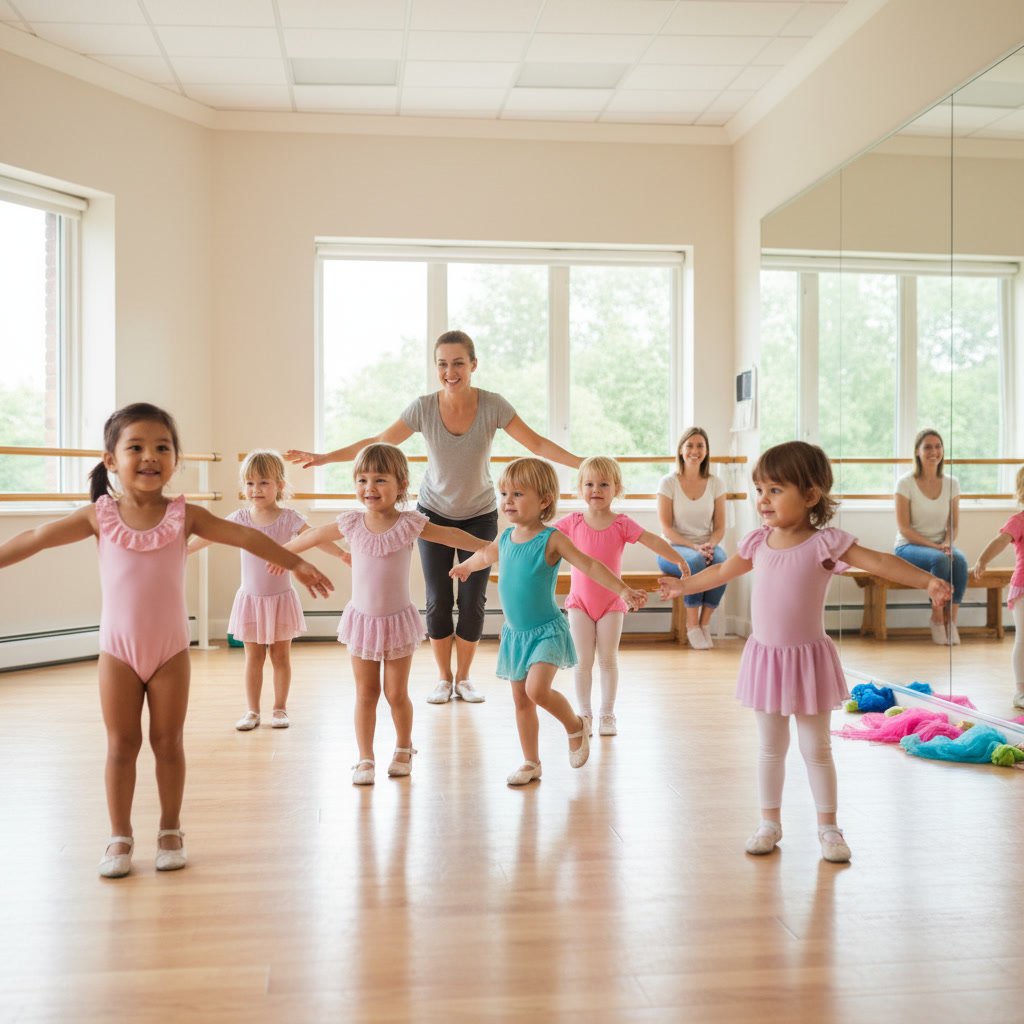
Starting something new can feel overwhelming for both children and parents. Knowing what typically happens in those first few sessions helps everyone feel more prepared.
The First Few Weeks Are About Adjustment
Don’t expect your toddler or preschooler to follow along perfectly from day one. Early classes focus on acclimating children to the space, the teacher, and the routine. Teachers work on basic concepts like forming a circle, finding personal space, and starting and stopping with the music.
Some children jump right in. Others watch from the sidelines for one or two classes before participating. Both responses are normal. Good teachers recognize that watching is a form of learning and don’t force reluctant students to perform.
What Children Should Wear
Most studios have dress code guidelines that balance practicality with safety. Typically, young children wear comfortable clothes they can move in freely. Leotards and tights are common for ballet, but many studios allow dance-appropriate athletic wear for the youngest students.
Proper footwear matters for safety and skill development. Ballet classes require ballet slippers, and tap classes need tap shoes. Some creative movement or tumbling classes go barefoot. Studios often sell shoes on-site or can recommend where to purchase them locally.
How Parents Can Support Learning
Your attitude shapes your child’s experience. Stay positive and enthusiastic about class, even if your child feels nervous. Arrive a few minutes early so you’re not rushing, which can increase anxiety.
After class, ask what your child enjoyed rather than pressing for technical details about what they learned. Many young children can’t articulate specific steps but will happily tell you they pretended to be butterflies or played the freeze dance game.
Practice at home if your child shows interest, but don’t push. Put on music and dance together for fun. Celebrate effort and enthusiasm more than perfect technique.
Frequently Asked Questions
What age should my child start dance classes?
Children can begin parent-child dance classes as early as 18 months. These programs focus on exploration and bonding rather than formal technique. Most children are ready for independent classes around age three, when they can follow simple directions and handle short periods away from caregivers. Starting between ages three and five allows children to develop foundational skills during a key developmental window.
How long are dance classes for toddlers and preschoolers?
Classes for toddlers typically run 30 to 45 minutes, matching their attention spans and physical stamina. Preschool classes often extend to 45 minutes or one hour, sometimes split between two styles like ballet and tap. Longer classes work for older preschoolers (ages four to five) who have developed more focus and endurance.
Will my shy child be okay in a dance class?
Many shy children thrive in dance classes once they feel comfortable. Look for teachers experienced with cautious students who allow children to warm up at their own pace. Parent-child classes can help very shy toddlers ease into group settings. Most children who initially hesitate become enthusiastic participants within a few weeks as the routine becomes familiar and they build relationships with teachers and classmates.
How much do dance classes cost for young children?
Costs vary by studio, location, and class length. Expect to pay between $40 and $80 per month for once-weekly classes for toddlers and preschoolers. Some studios charge per class, while others require monthly or semester fees. Additional costs include shoes, dancewear, and optional recital costumes. Many studios offer discounts for siblings or multiple classes per week.
Do toddlers and preschoolers perform in recitals?
Many studios include young students in annual recitals, though participation is often optional for the youngest dancers. These performances are typically simple, age-appropriate routines designed to feel fun rather than stressful. Recitals give children goals to work toward and chances to share what they’ve learned with family. Studios experienced with young children keep rehearsal requirements reasonable and make accommodations for students who feel nervous about performing.
Getting Started with Dance Classes in Greenacres
The energy and joy your toddler or preschooler shows when music starts playing deserves nurturing by teachers who understand both dance and early childhood development. Quality dance classes Greenacres FL families trust provide age-appropriate instruction in safe, encouraging environments where young children build skills, confidence, and a lifelong love of movement.
Lisa’s Dance and Exercise offers multiple programs designed specifically for children ages 18 months through five years, taught by instructors with extensive training in both dance and working with young students. From Mommy and Me classes for the youngest dancers to beginner Ballet, Tap, Tumbling, and more for preschoolers, the studio provides options that meet children exactly where they are developmentally.
Ready to channel your child’s natural love of movement into skill development and confidence? Contact Lisa’s Dance and Exercise at +15613175738 to learn more about toddler and preschool dance programs or schedule a trial class at 3965 Jog Road in Greenacres, FL.