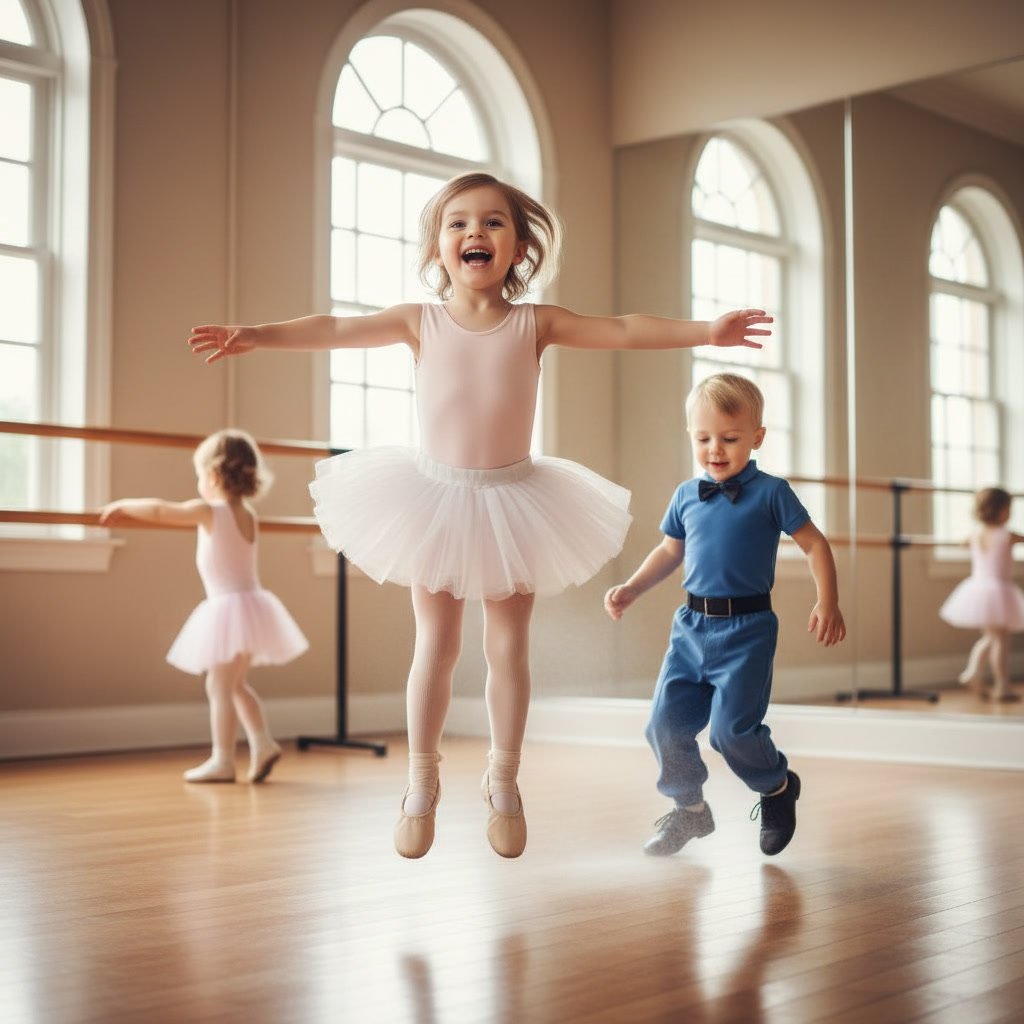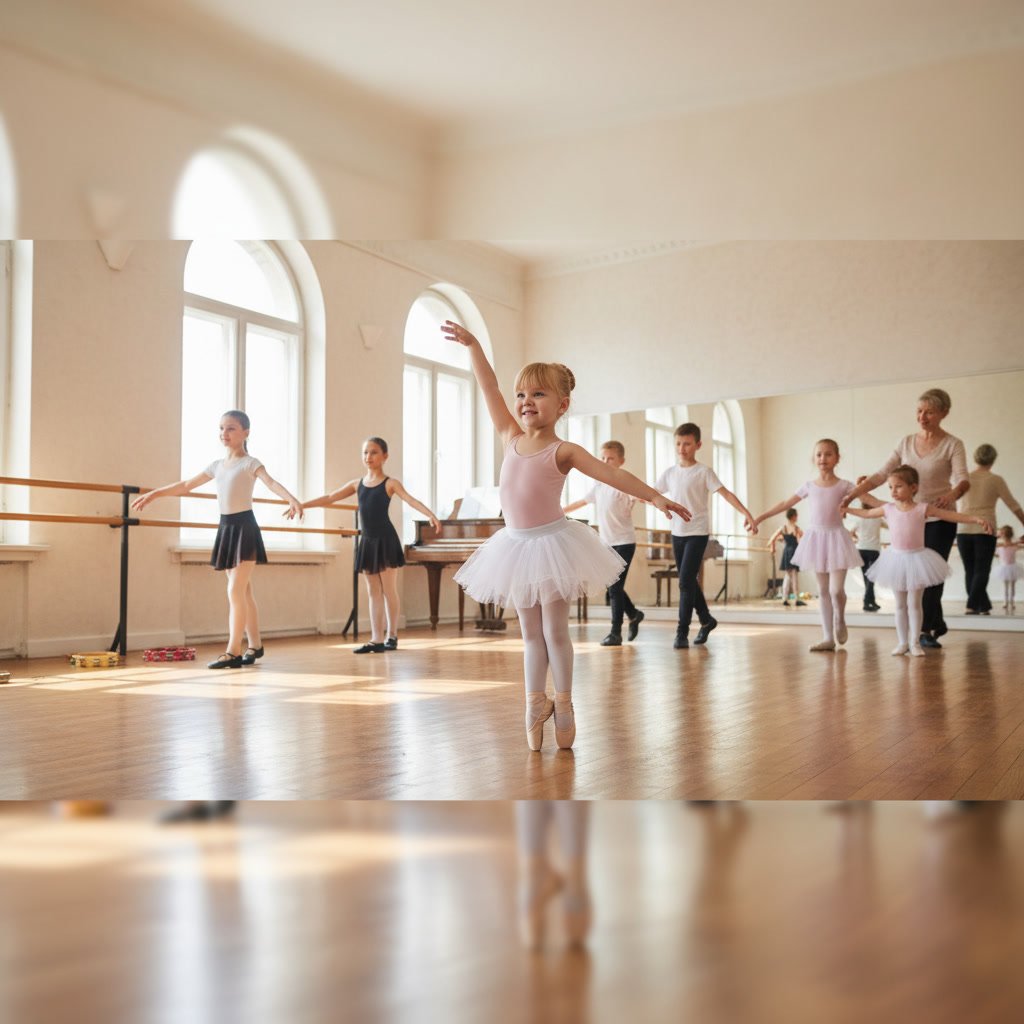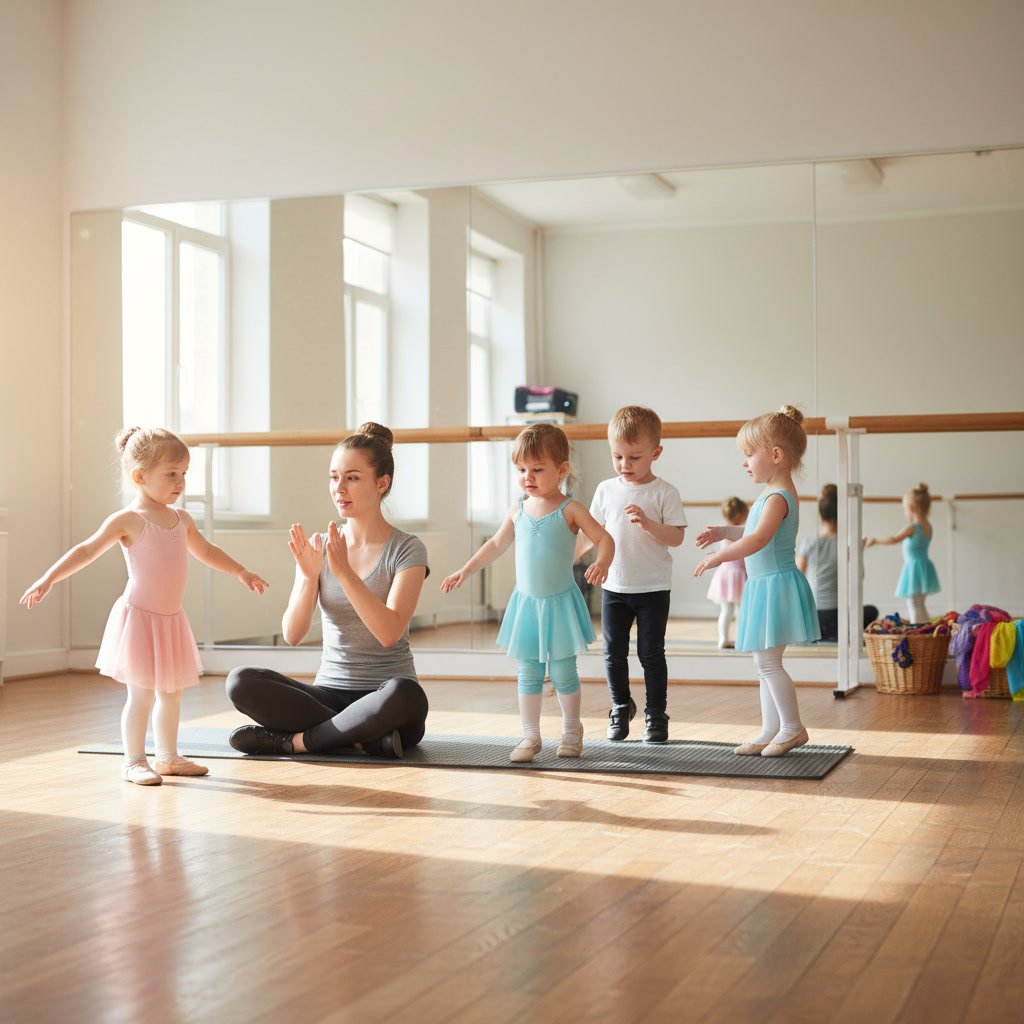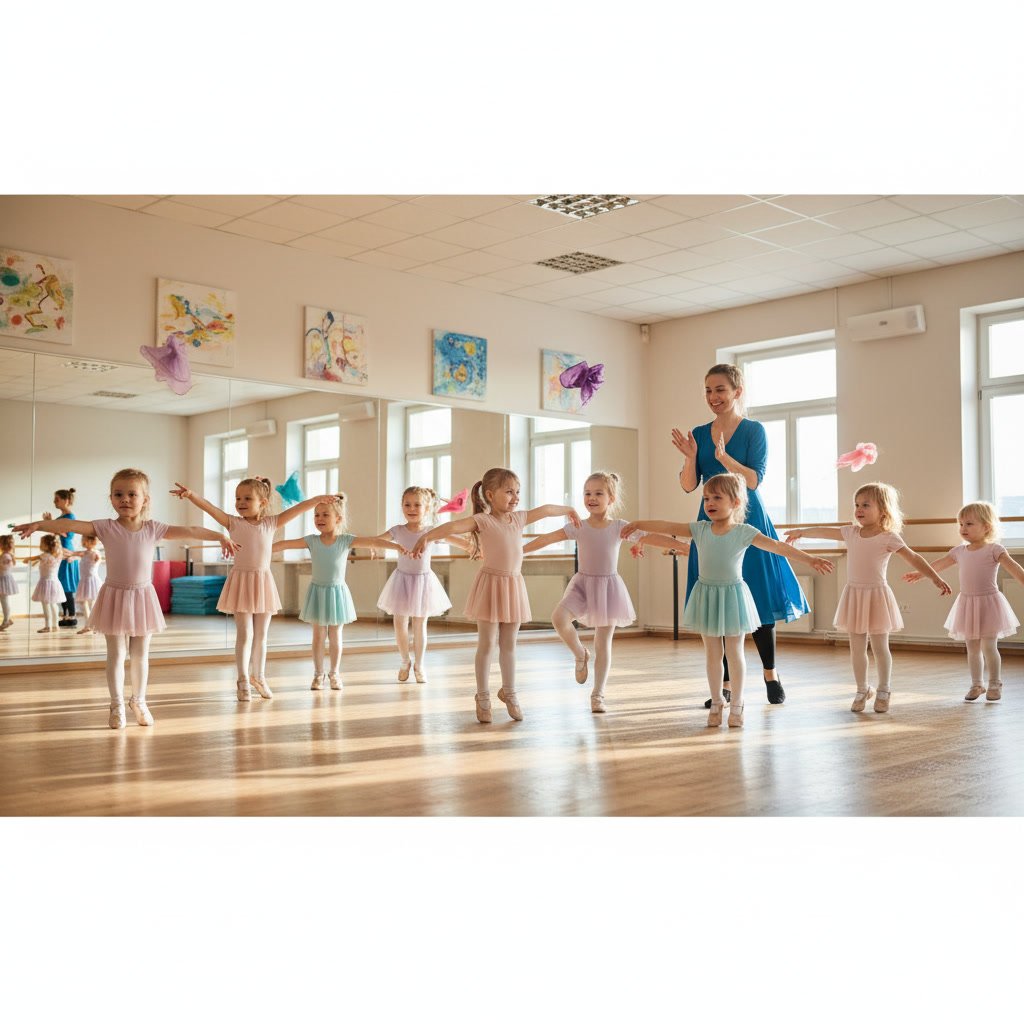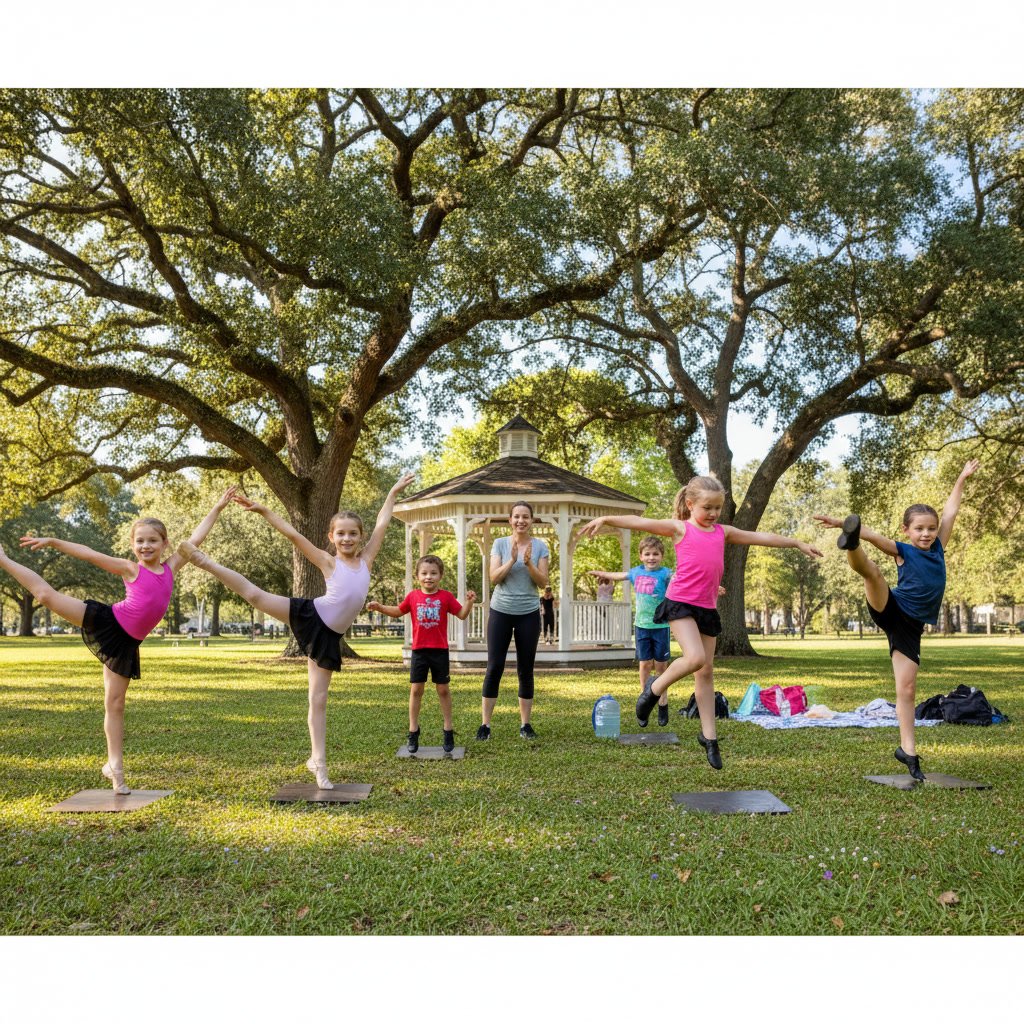
Summer break stretches ahead with long, unstructured days. Kids need outlets for their energy, routines to keep them engaged, and activities that challenge their bodies and minds. Summer dance classes answer all three needs while giving children a chance to explore movement, build confidence, and make friends in a positive environment.
At Lisa’s Dance and Exercise, located at 3965 Jog Road in Greenacres, FL, families find a wide range of dance styles and movement classes designed to keep children active throughout the summer months. From toddlers taking their first steps in Mommy and Me classes to older children mastering hip-hop choreography or perfecting their tumbling skills, summer programming keeps kids moving, learning, and having fun when school is out.
This guide explores practical dance class options for summer break, what to expect from different styles, and how to choose the right fit for your child’s interests and energy level.
Why Dance Classes Work for Summer Break
Dance classes provide structure during a time when routines often fall apart. Children attend class at scheduled times, follow directions from instructors, and work toward specific goals, whether that’s learning a new combination or preparing for an end-of-summer showcase.
Physical activity remains consistent. The Centers for Disease Control recommends 60 minutes of physical activity daily for children aged 6 to 17. Dance classes naturally meet and often exceed this target through warm-ups, technique work, choreography practice, and cool-downs.
Summer dance classes also keep skills fresh. Children who take dance during the school year maintain their technique and flexibility instead of losing progress over a three-month break. New students get a head start before fall classes begin, entering the school year with foundational skills already in place.
Social benefits matter too. Kids interact with peers outside their school circle, building friendships based on shared interests. They learn to work as a team, respect different skill levels, and support each other’s progress.
Ballet and Tap for Young Dancers
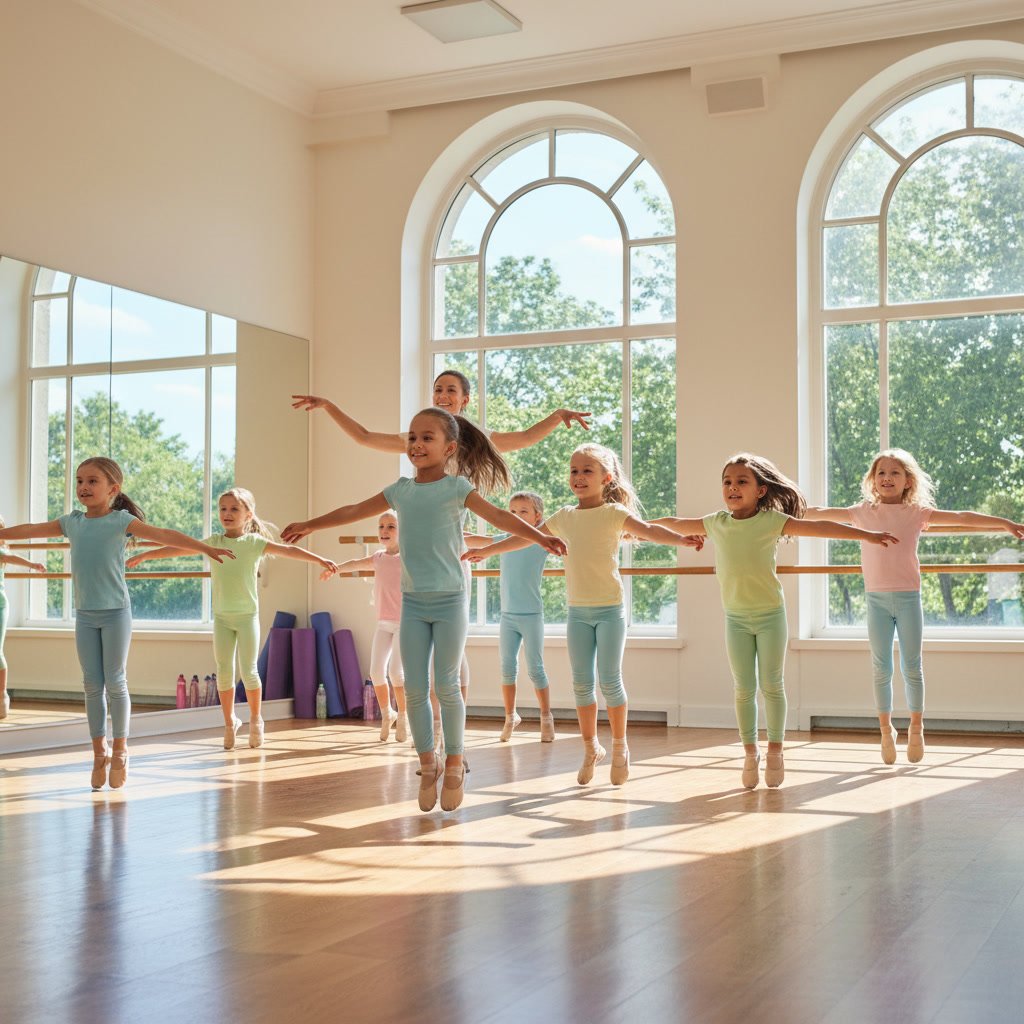
Ballet and tap classes introduce young children to fundamental dance concepts in a structured, age-appropriate way. These classic styles teach body awareness, rhythm, coordination, and musicality through exercises that feel like play.
Ballet develops strength, posture, and flexibility. Children learn positions of the feet and arms, practice balancing, and work on pointing their toes and stretching their legs. The discipline of ballet carries over into other activities and sports, improving body control and spatial awareness.
Tap dancing focuses on rhythm and sound. Children wear special shoes with metal plates that click and clack against the floor, turning their feet into percussion instruments. This style appeals to kids who love making noise and helps develop timing and coordination.
For children aged 1.5 to 4, beginner classes introduce basic movements through games, songs, and imaginative play. Older children, ages 5 to 8, work on more complex combinations and begin learning proper technique. Lisa Lee, owner and instructor, teaches these foundational classes and has a master’s degree in child counseling, giving her special insight into how children learn and develop through movement.
Pro Tip: Young children often do best with shorter, more frequent classes rather than long sessions once a week. Look for summer programs that offer 30 to 45-minute classes two or three times per week to maintain engagement without overwhelming new dancers.
High-Energy Options for Active Kids
Some children need movement that matches their energy level. Hip-hop, cheerleading, and tumbling classes channel high energy into skilled, controlled movements that build strength and coordination.
Hip-Hop Dance
Hip-hop classes teach urban dance styles set to contemporary music. Children learn isolations, grooves, and choreographed routines that emphasize personal expression and style. The upbeat tempo and familiar music make hip-hop especially appealing to kids who might not be drawn to traditional dance styles.
These classes improve cardiovascular fitness, coordination, and rhythm while building confidence. Hip-hop also encourages self-expression, as dancers add their own flair and personality to movements.
Tumbling and Gymnastics
Tumbling classes focus on floor work: rolls, cartwheels, round-offs, handstands, and back walkovers. Children develop core strength, flexibility, and body awareness while learning skills that transfer to other sports and activities.
Gymnastics components teach children to trust their bodies, overcome fears, and work toward progressively harder skills. The sense of accomplishment when a child finally lands a cartwheel or holds a handstand independently is powerful and builds lasting confidence.
Cheerleading
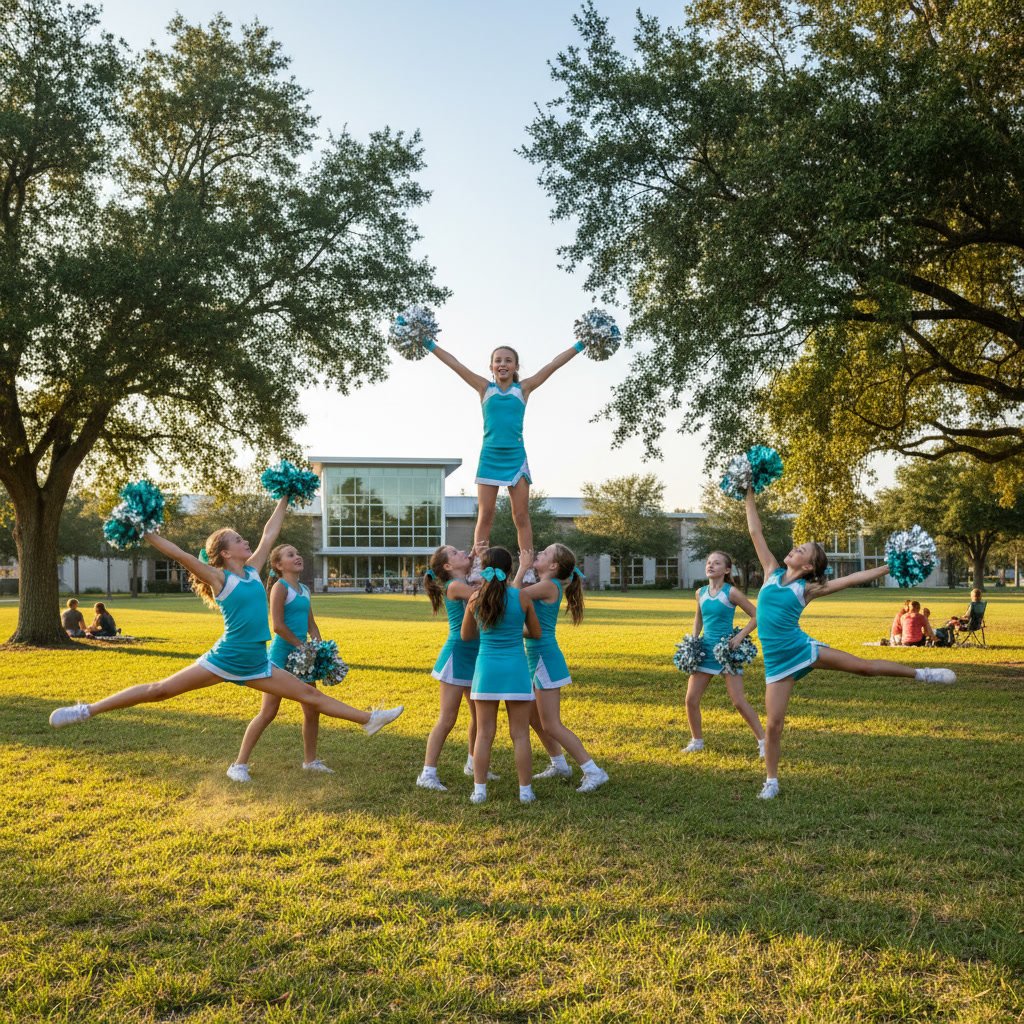
Cheerleading combines dance, gymnastics, and teamwork. Children learn jumps, chants, stunts (age-appropriate versions), and routines that require coordination with other dancers. This style particularly appeals to social, energetic children who thrive on group activities.
Creative Expression Through Contemporary and Lyrical Dance
Contemporary, modern, and lyrical dance styles emphasize emotional expression and artistic interpretation. These classes work well for children who want to tell stories through movement or who connect deeply with music.
Contemporary dance blends ballet technique with modern movements and floor work. Dancers learn to move fluidly, use different levels (standing, kneeling, lying down), and express emotions through body language. This style encourages creativity and personal interpretation.
Lyrical dance combines ballet and jazz technique with expressive, flowing movements set to songs with meaningful lyrics. Children learn to connect movement with emotion and music, developing their artistic sensibilities alongside physical skills.
Modern dance focuses on natural movement, breath, and body mechanics. Classes often include improvisation exercises that let children explore how their bodies move without prescribed steps or positions.
These styles help children process emotions, build empathy, and develop confidence in their unique artistic voice. Christina Lista, who teaches contemporary and jazz at Lisa’s Dance and Exercise, trained at prestigious programs including the Joffrey School of Ballet and has a background in using dance as therapy.
Musical Theatre Dance for Aspiring Performers
Musical theatre classes combine dance, acting, and storytelling. Children learn choreography from Broadway shows while developing performance skills like facial expressions, character work, and stage presence.
This style appeals to children who love performing, singing, or acting. Classes typically include a warm-up, technique work in jazz or theatre dance styles, and learning choreography from popular musicals. Some programs culminate in a performance or showcase where children perform their routines for families.
Musical theatre dance builds confidence in front of audiences, teaches children to embody characters, and develops the ability to pick up choreography quickly. These skills transfer directly to school plays, talent shows, and future performance opportunities.
Annaya Osborne, a graduate of the Maltz Jupiter Theatre Conservatory with extensive professional performance credits, teaches musical theatre classes. Her background in professional theatre brings authentic expertise to young performers.
Specialty Classes That Add Variety
Beyond traditional dance styles, specialty classes introduce children to unique movement forms and cultural dance traditions.
Karate
Karate classes teach self-defense, discipline, and respect alongside physical skills. Children learn forms (kata), strikes, blocks, and kicks while developing focus and self-control. The belt system gives children clear goals to work toward and tangible markers of progress.
Salsa and Latin Dance
Salsa classes introduce children to Latin rhythms and partnering skills. These high-energy classes improve coordination, musicality, and cultural awareness while teaching children social dance etiquette and basic partnering techniques.
Jazz and Acro
Jazz dance features sharp movements, leaps, turns, and stylized choreography. Acrobatics (acro) combines dance with gymnastics elements like back bends, aerials, and contortions performed in a dance context. Together, these styles build strength, flexibility, and dynamic performance quality.
Mommy and Me
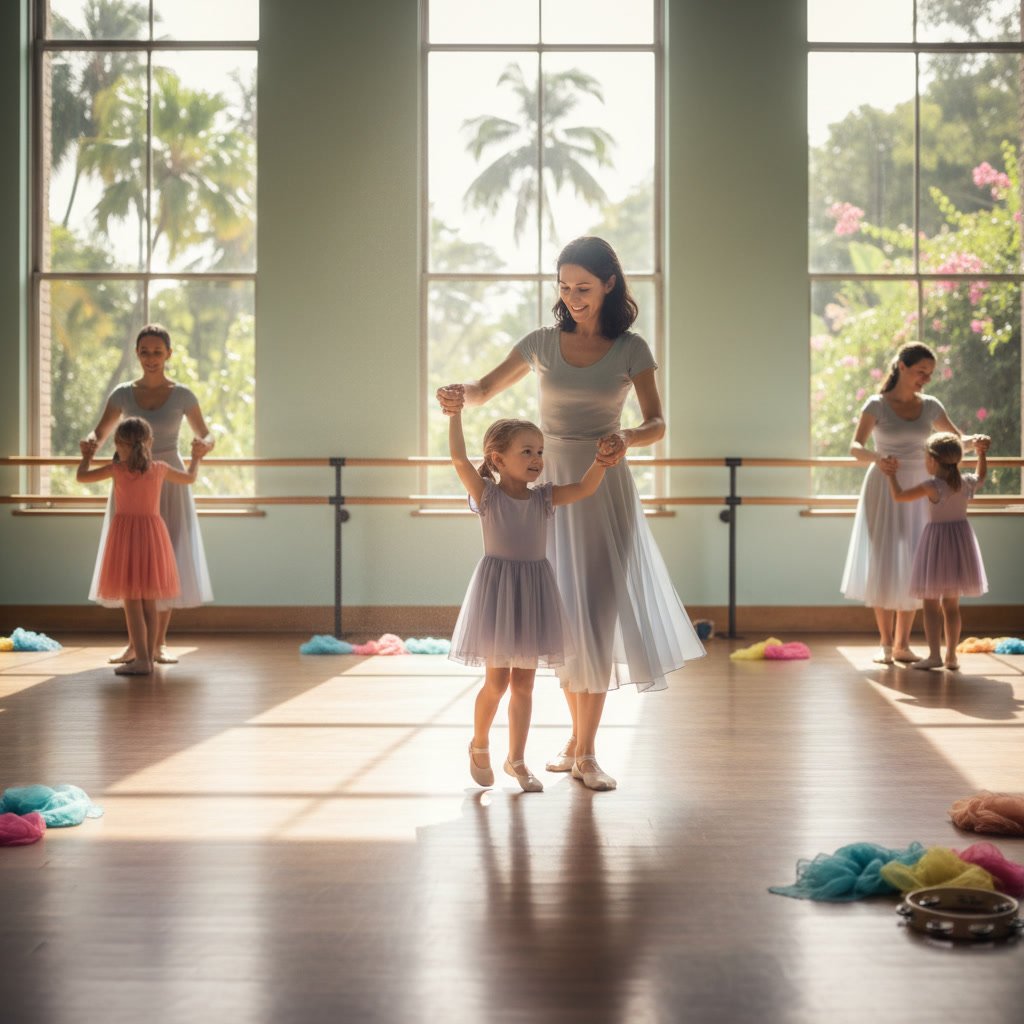
For the youngest movers, Mommy and Me classes let toddlers explore movement with a parent or caregiver present. These classes use music, props, and imaginative play to introduce basic concepts like rhythm, balance, and following directions in a supportive, non-intimidating environment.
Key Takeaway: Children benefit from trying multiple dance styles before settling on favorites. Summer offers an ideal time to sample different classes without a full semester commitment, helping kids discover what types of movement they enjoy most.
Choosing the Right Summer Dance Program
Consider your child’s age, experience level, and personality when selecting summer dance classes. Young children or complete beginners need classes that introduce fundamentals without assuming prior knowledge. Experienced dancers might appreciate intensive programs that deepen their skills or introduce advanced techniques.
Think about schedule and commitment level. Some families prefer drop-in classes that allow flexibility around vacations and other summer activities. Others want consistent weekly classes that provide structure throughout the break. Ask about attendance policies, makeup class options, and whether summer programs require registration for full sessions or allow weekly enrollment.
Location matters during summer when driving across town in traffic feels harder than during the school year. Lisa’s Dance and Exercise serves the Greenacres area at 3965 Jog Road, making it convenient for families in central Palm Beach County.
Class size affects the learning experience. Smaller classes mean more individual attention from instructors, while larger classes provide more peer interaction and energy. Ask about typical class sizes and teacher-to-student ratios.
Meet the instructors if possible. At Lisa’s Dance and Exercise, teachers bring diverse backgrounds and specialties. Malischa Ogé has trained in styles from African dance to modern and brings five years of teaching experience. Pauline Bradford trained at Dreyfoos School of the Arts and brings expertise in acrobatics and cheerleading. Each instructor offers unique strengths that benefit different students.
What to Expect in a Summer Dance Class
Most dance classes follow a similar structure regardless of style. Classes begin with a warm-up that prepares muscles and joints for movement and gets children focused on dance rather than whatever they were doing before class.
Technique work comes next, teaching specific skills related to that dance style. In ballet, this might mean practicing positions and developing turnout. In hip-hop, it could involve learning isolations or grooves. In tumbling, children work on specific skills like cartwheels or back handsprings with proper spotting and progressions.
Across-the-floor exercises or center work follows, where children practice movements while traveling across the studio or perform combinations in the center of the room. This section builds stamina and lets instructors observe each child’s progress.
Choreography makes up the final portion of class. Children learn short combinations or longer routines, often working toward an end-of-summer performance or showcase. Learning choreography develops memory, musicality, and performance quality.
Cool-down and stretching end the class, helping prevent injury and increase flexibility. This quiet time also provides a transition back to the outside world.
Dress codes vary by studio and style. Dance classes typically require fitted clothing that lets instructors see body alignment and positions, plus appropriate footwear for each style. Many studios sell required shoes or can recommend where to purchase them.
Benefits Beyond Physical Fitness
Summer dance classes keep children physically active, but the benefits extend far beyond exercise. Dance builds confidence as children master new skills and perform for others. Shy children often blossom in the supportive environment of a dance class where everyone is learning together.
Time management and responsibility develop as children arrive on time, remember their dance shoes, and practice at home. Older children might take on leadership roles, helping younger or newer dancers or demonstrating combinations.
Cultural awareness expands through exposure to different dance styles and music traditions. Salsa classes introduce Latin rhythms and culture. Hip-hop connects to urban music and street dance history. Ballet traces back centuries of European tradition.
Emotional regulation improves through the physical outlet dance provides. Children who struggle with big emotions often find that dance helps them process feelings and release tension in healthy ways. Lisa Lee’s background in child counseling informs her approach to teaching, recognizing how movement supports children’s emotional development.
Academic skills benefit too. Dance improves working memory as children remember combinations, sequences, and choreography. Pattern recognition develops through learning dance steps and understanding how movements connect. Spatial reasoning improves through navigating the studio space and understanding levels, directions, and formations.
Frequently Asked Questions
How often should kids take dance classes during summer?
Most children benefit from attending dance class one to three times per week during summer. This frequency maintains skills and fitness without overwhelming schedules packed with other activities, camps, and family vacations. Serious dancers or children preparing for fall auditions might attend more frequently, while recreational dancers do well with once or twice weekly classes.
What age is best to start dance classes?
Children can start exploring movement as early as 18 months in Mommy and Me classes. Formal dance instruction typically begins around age three or four when children can follow basic directions and participate in group activities. However, children of any age can start dance classes with beginner-level instruction appropriate to their developmental stage.
Do summer dance classes require prior experience?
Most studios offer both beginner classes for children new to dance and continuing classes for students with prior training. Summer sessions often welcome beginners since families use the break to try new activities. Always ask about the expected skill level when registering to ensure your child is placed in an appropriate class.
What should kids wear to dance class?
Dance attire varies by style but generally includes fitted, comfortable clothing that allows freedom of movement and lets instructors see body positions. Leggings and fitted tops work for most styles. Each dance type requires specific footwear: ballet slippers for ballet, tap shoes for tap, jazz shoes for jazz, and bare feet or sneakers for hip-hop and contemporary. Studios can provide specific dress code information when you register.
Will there be a summer performance or recital?
Many studios offer end-of-summer showcases where children perform what they’ve learned. These informal performances give kids performance experience without the time and cost commitment of full recitals. Ask your studio about summer performance opportunities when registering and whether participation is required or optional.
Keeping Kids Moving This Summer
Summer dance classes provide structure, physical activity, creative expression, and social opportunities during the long break from school. Whether your child wants to try something completely new or continue developing existing skills, dance offers benefits that extend far beyond the studio.
Lisa’s Dance and Exercise in Greenacres offers a comprehensive range of summer dance classes taught by experienced instructors with diverse training backgrounds. From tiny dancers taking their first steps to experienced performers refining their technique, classes are available for every age, interest, and skill level.
To learn more about summer dance classes and find the right fit for your child, contact Lisa’s Dance and Exercise at +15613175738. The studio is located at 3965 Jog Road, Greenacres, FL 33467. Keep your kids active, engaged, and learning this summer through the joy of dance.